Project Background: Emergency repair of a 10kV power cable failure on a major road in the core area of a city.
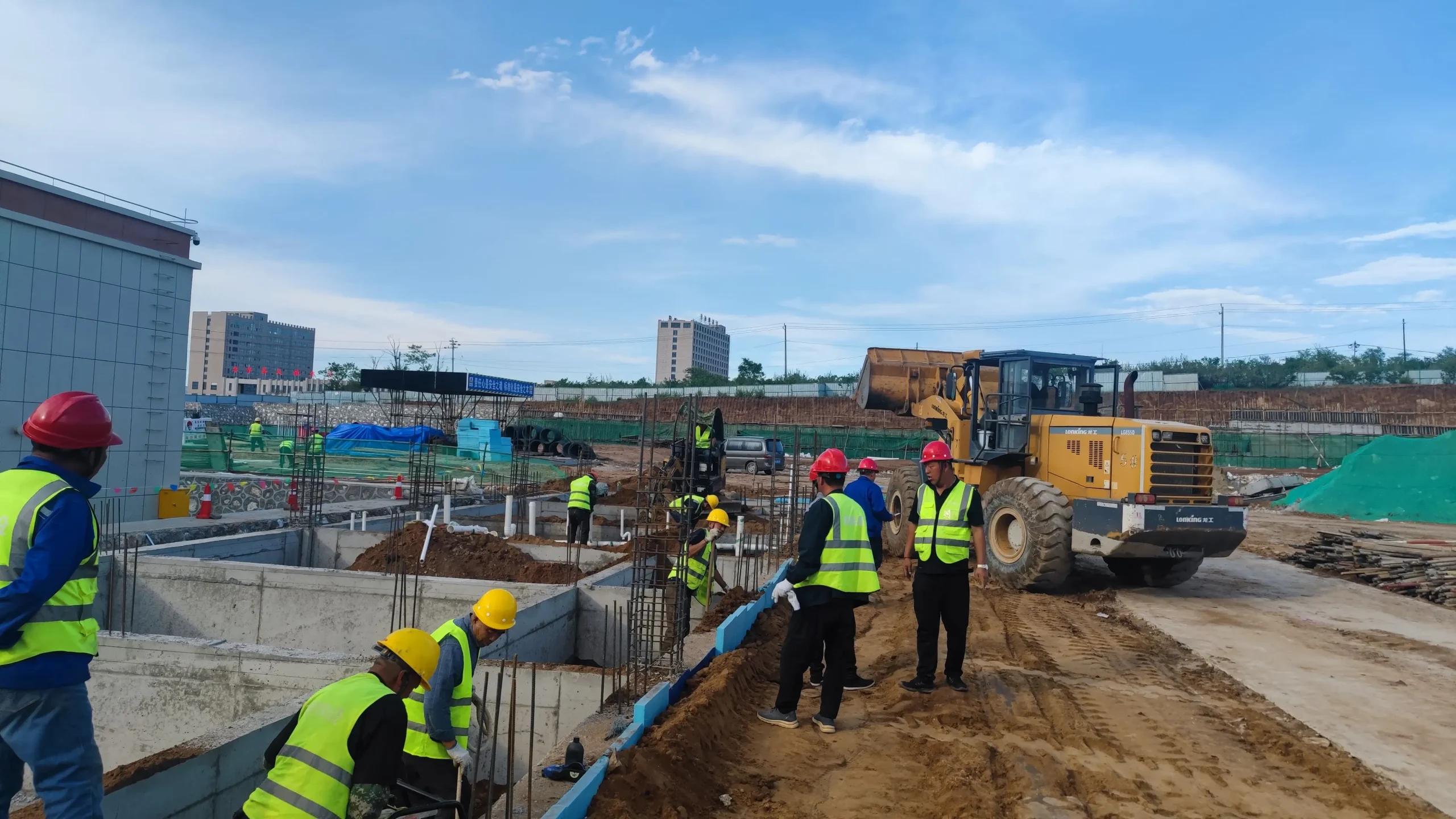
Project Overview: A 10kV power cable beneath a major traffic artery in the city center failed due to external damage, causing a power outage in several important commercial and residential areas along the route. The fault point was located approximately 2.5 meters deep and 70 meters long within an underground cable duct.
Core Challenges:
Extremely high timeliness requirements: The road is located in the city’s core area; prolonged closure would cause severe traffic congestion, and the restoration of residential and commercial power supply must be completed as quickly as possible, with significant social impact.
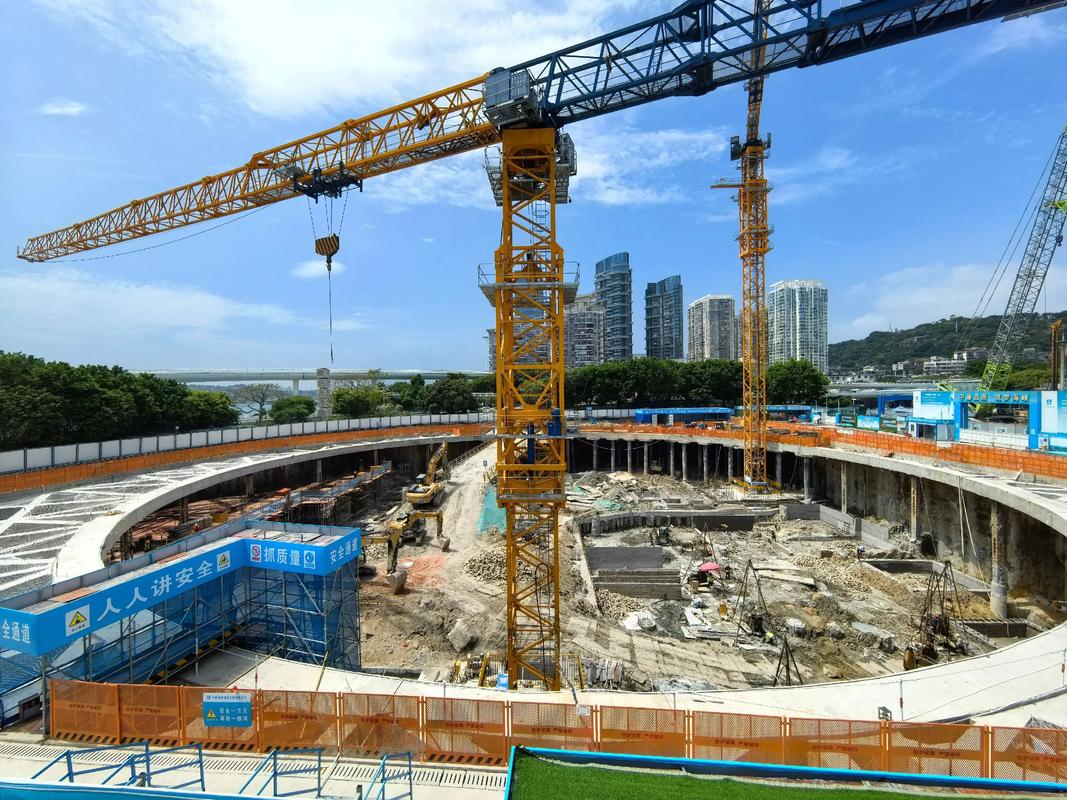
Extremely limited work space: The work area was limited to a standard working well (approximately 2m × 4m) excavated from the road, making it difficult to deploy large machinery.
Complex work environment: A new cable, approximately 80 meters long with a cross-section of 300mm², needed to be laid quickly within a concrete duct of limited diameter. Traditional manual dragging methods were time-consuming and labor-intensive, and could not guarantee completion within the municipally mandated 8-hour “window period.” Solution: Utilizing Keepapexpower Modular Intelligent Cable Conveyor Units
To address the challenge, the power emergency repair team decided to urgently deploy Keepapexpower’s KPC series modular intelligent cable conveyors for mechanized operations.
Equipment Deployment:
One KPC-15A main control conveyor was placed at the entrance of the working shaft, responsible for cable introduction and initial traction application.
A total of four KPC-15B synchronous conveyors were pre-placed along the pipeline at 15-20 meter intervals. All equipment is linked to the main control unit via a wireless communication module.
At the working shaft exit at the other end of the fault point, a KPC-15R steering traction machine was installed, forming a complete “push-convey-pull” coordinated system.
Technical Application Highlights:
Rapid Deployment and Synchronous Drive: Keepapexpower conveyors feature a lightweight modular design, allowing for single-person handling and positioning. With the main control unit’s “one-click networking” function, all units complete wireless networking and parameter synchronization within 5 minutes, achieving fully synchronized operation of all drive points and fundamentally avoiding cable twisting or jamming caused by asynchronous operation of multiple units.
Intelligent Constant Tension Control: The equipment incorporates a high-precision tension sensor and adaptive algorithm. When the cable is detected at a bend in the pipe or encountering resistance, the system automatically adjusts the output torque of the conveyors before and after that point, ensuring that the entire cable is under constant and safe tension throughout the laying process, completely eliminating the risk of damage to the cable insulation layer due to excessive pulling.
All-Weather Environmental Adaptability: The equipment’s protection rating reaches IP65, fully meeting the requirements of the harsh environment of humid and dusty underground pipelines, ensuring the reliability of emergency repair operations.
Implementation Results and Value Analysis
The table below compares the differences between using the Keepapexpower solution and traditional manual repair methods:
Comparison Dimensions | Traditional Manual Repair Method | Effect after using Keepapexpower KPC series units
Repair Efficiency | Requires at least 12-15 people working in two shifts, estimated time 12-16 hours. | Only 5-6 technicians are needed to operate the equipment, actual laying time is only 2.5 hours, the entire cable replacement work is completed within 6 hours, efficiency improvement of over 300%.
Construction Quality and Safety | Manual labor makes it difficult to control uniform tension, easily damaging new cables; personnel are concentrated in narrow spaces, high safety risks. | Achieves “zero damage” laying, cable insulation test passes on the first try; personnel are mainly responsible for monitoring, away from heavy physical labor and high-risk areas, inherently high safety.
Social and Economic Impact | Prolonged road closures cause huge traffic pressure, long power outage time, significant negative social impact; high labor costs. Restoring power and reopening traffic six hours ahead of schedule significantly reduced the social impact; considering the combined costs of manpower, equipment, and time, the total repair cost was reduced by approximately 40%.
Technology Replicability: Reliance on skilled workers and experience makes standardization and rapid replication difficult. A standardized and rapidly replicable “mechanized operation process for rapid municipal pipeline repair” was developed, providing a best practice model for similar emergency projects.
Conclusions and Industry Implications
This municipal road power emergency repair project successfully verified the immense value of advanced construction equipment, represented by the Keepapexpower intelligent cable conveyor, in the rapid repair of urban lifeline projects. It’s not merely about increasing efficiency through “machine replacement”; through core technologies such as synchronous control and intelligent sensing, it achieves full digital protection of critical power assets (cables) throughout the construction process, upgrading emergency repair work from a “manual labor-intensive task relying on physical strength and experience” to a “predictable, controllable, and highly efficient technical process.”
This case provides a clear technological upgrade path for urban operation and maintenance management departments and power companies: by modernizing equipment, the “disturbance” of municipal emergency repairs to urban operations can be minimized, significantly improving the resilience and emergency response capabilities of the urban power system. This is an important manifestation of building smart cities and a robust smart grid in the construction and maintenance phase.