I. Project Background: Construction of a Green Energy Artery in Complex Terrain
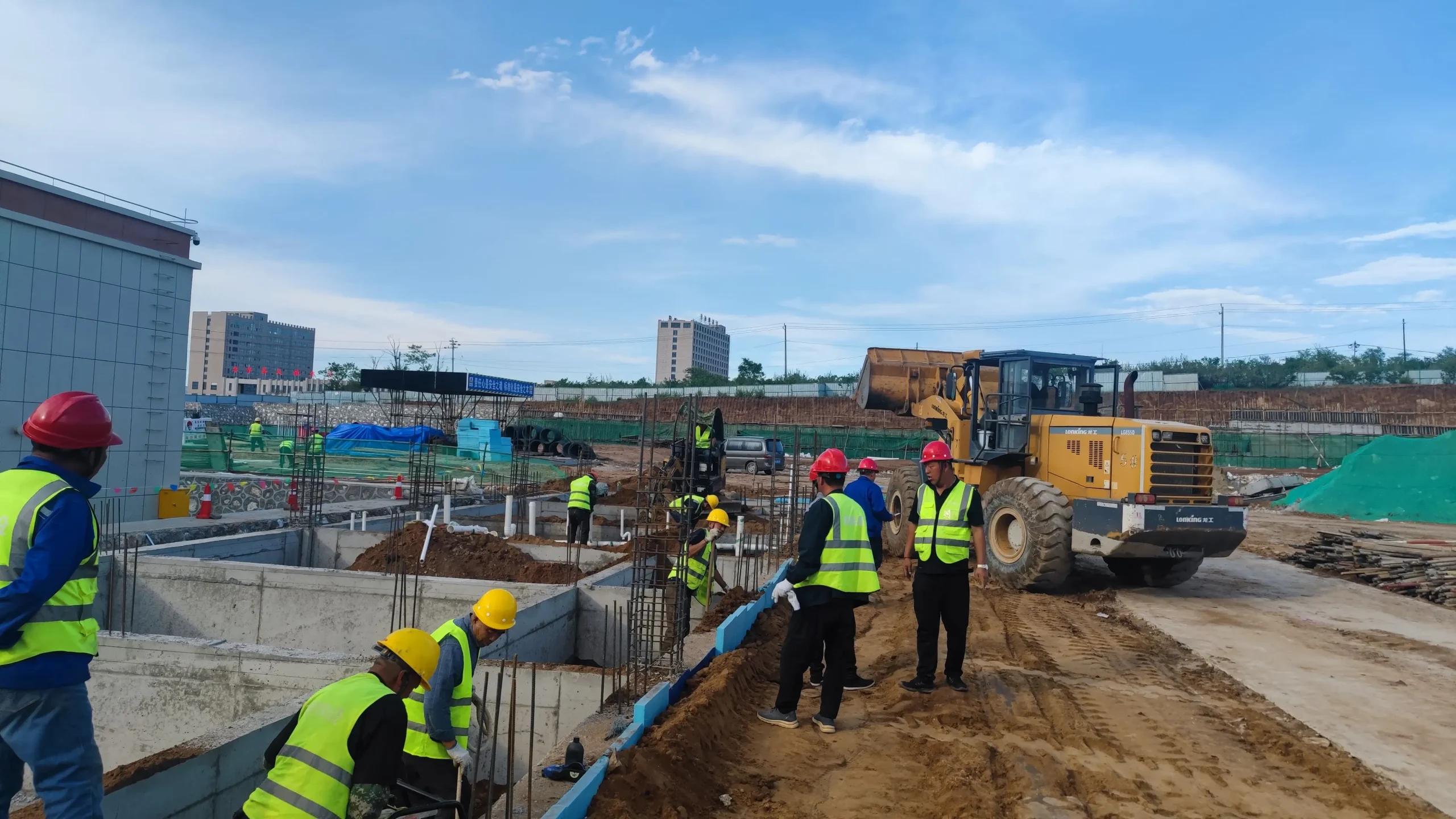
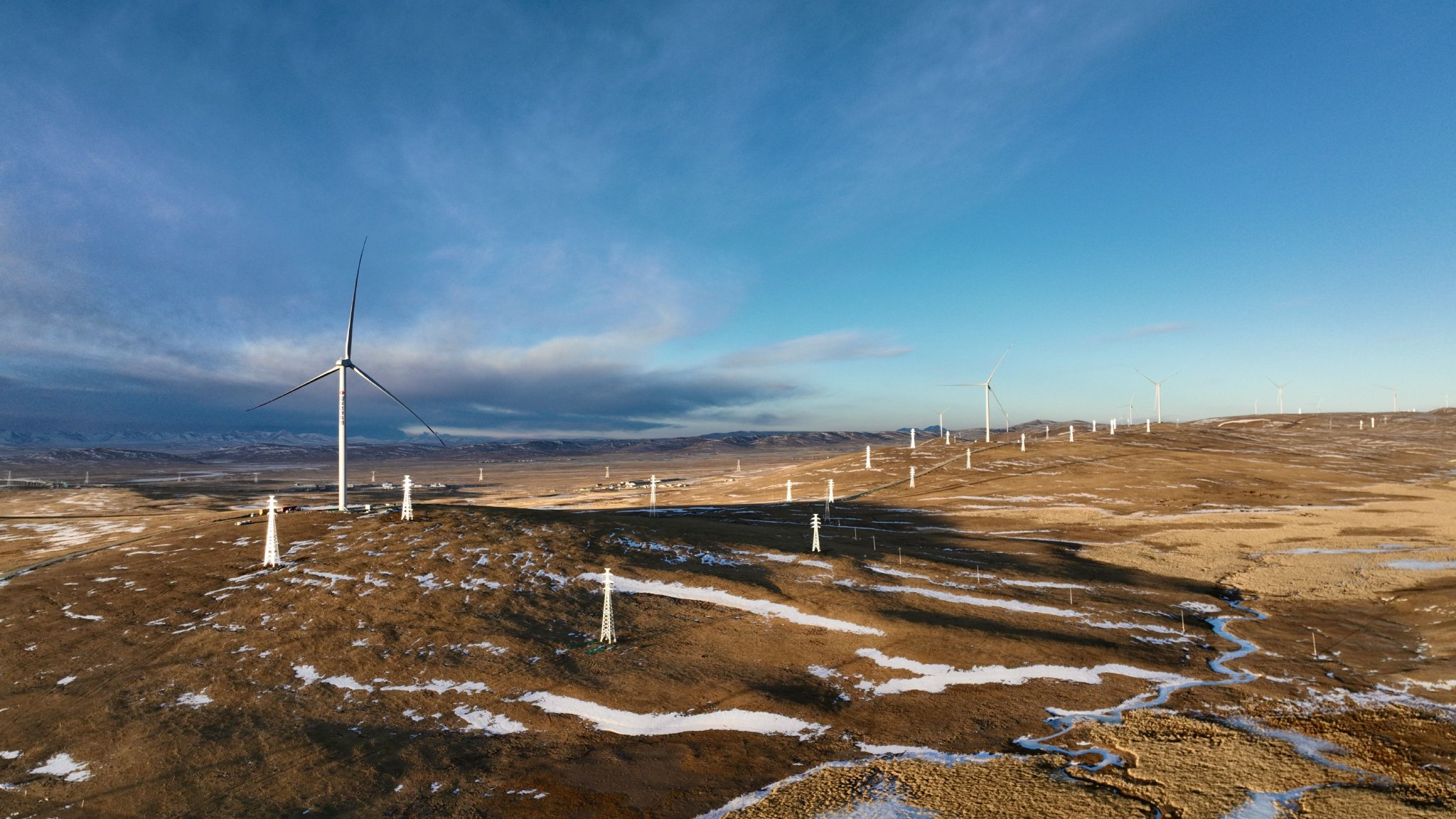
Project Overview: A large-scale wind farm project is under construction in the high-altitude mountainous region of southwest China. This project requires collecting electricity generated by wind turbines distributed across dozens of hilltops via a 120-kilometer-long 35kV data collection cable to a substation. The terrain is dominated by steep slopes, ravines, and shrubbery, with some areas exceeding 30 degrees in slope, making it inaccessible to large construction vehicles.
II. Core Challenges:
Extreme Terrain and Transportation Difficulties: Cable reels weigh tens of tons, and transporting and positioning them in roadless mountainous areas is a huge challenge. Traditional manual laying is virtually impossible in mountainous environments.
Long-Distance Laying with Significant Elevation Differences: The line needs to continuously traverse multiple hilltops, with single-section laying lengths often exceeding 800 meters and vertical drops exceeding 200 meters, placing extreme demands on cable traction and protection.
Strict Ecological Protection Requirements: Located in an ecologically sensitive area, the project required minimal damage to surface vegetation and controlled work area width during construction.
Solution: Constructing a Dedicated “Cable Car” Mechanized Laying System for Mountainous Areas
The construction team innovatively adopted a mechanized construction scheme based on domestically produced multi-model cable conveyors, employing a “segmented relay, tension-controlled laying” method.
III. System Composition and Deployment:
Power Unit Configuration: High-powered traction machines were deployed at key points such as the mountaintop and foothills as main traction and braking units to control the laying tension of the entire cable section.
Conveyor Network: Along the surveyed cable route, a standard cable conveyor was fixed at suitable locations every 50-80 meters as intermediate relay and pushing points. The entire system consists of over 30 devices forming a collaborative network.
Adaptive Path Design: The equipment is fixed using simple supports and ground anchors, enabling it to adapt to uneven terrain and form a stable “aerial transport corridor.”
IV. Key Technological Applications:
Tension Coordinated Control: Through a wireless communication system, the main traction machine and each conveyor communicate in real time, dynamically adjusting the pushing force. When going uphill, the lower conveyor increases the pushing force; when going downhill, the upper conveyor provides braking force, ensuring uniform tension on the cable throughout its length and preventing loss of control due to its own weight or excessive tension.
Overcoming Extreme Distances and Height Differences: The multi-point relay pushing of the conveyors breaks down the single-segment cable, which can be as long as a kilometer, into smaller segments. Each piece of equipment only needs to overcome a small portion of friction, collectively solving the traction bottleneck caused by ultra-long distances and significant height differences.
Achieving Green Construction: This method only requires opening a narrow working zone. Equipment can be positioned manually or with light machinery, eliminating the need for large construction access roads, maximizing the protection of native vegetation, and meeting environmental protection requirements.
V. Implementation Results and Value Analysis
The table below compares the differences between mechanized construction and traditional methods in mountainous environments:
Comparison Dimensions: Traditional Mountainous Construction Mode (Assuming Feasibility) | Effect after Adopting the Cable Conveyor Coordinated System
Construction Feasibility: Basically infeasible. Long-distance cable laying in mountainous terrain is impossible to complete manually; using heavy tensioning equipment requires constructing numerous winding mountain roads, which is extremely costly and environmentally damaging. We turned the impossible into possible. Without constructing large access roads, we successfully completed cable laying in complex terrain, opening up a new technological path.
Efficiency and Safety: Forced construction would require a large number of personnel dragging the cable along mountain roads, resulting in extremely low efficiency and significant safety risks such as falls from heights, falling rocks, and injuries to workers. Laying speed reached an average of 1.5-2 kilometers per day, 5-8 times faster than manual methods. Personnel primarily monitored equipment, staying away from strenuous physical labor and dangerous areas, resulting in a revolutionary improvement in safety.
Construction Quality: Cable dragging and friction, as well as localized stress concentrations, are unavoidable, leading to severe damage to the outer sheath and creating fatal hidden dangers for subsequent operation. With our cable conveyor system, which lifts and smoothly transports the cable throughout the entire process, achieving “no-touch” laying, testing showed zero damage to the cable insulation and outer sheath, achieving the highest standards of project quality.
The overall cost, including hidden costs (time, safety, environmental, and quality risks), is extremely high, potentially halting the project. While the initial equipment investment is high, it saves substantial amounts on road construction fees, labor costs, and time, and avoids environmental penalties. The overall project cost is significantly reduced, and the construction period is guaranteed.
Conclusions and Industry Implications
The successful implementation of this wind farm project fully demonstrates that cable conveyors are no longer simply tools to “replace manpower,” but rather key core equipment for power line construction under complex and extreme conditions. Through modular, distributed, and intelligent collaborative working methods, it solves the global challenge of cable laying under special geographical conditions.
This case is of great significance to the development of clean energy in China and globally: it makes it possible to develop new energy sources such as wind power and photovoltaics in deeper, more remote, and more topographically complex areas, directly expanding the exploitable boundaries of green energy projects and providing solid, efficient, and environmentally friendly construction technology support for national strategic projects such as the “West-to-East Power Transmission” and the “Gobi Desert” large-scale power base. This signifies that China’s power infrastructure construction has taken the lead in the world in the field of mechanized and intelligent construction.