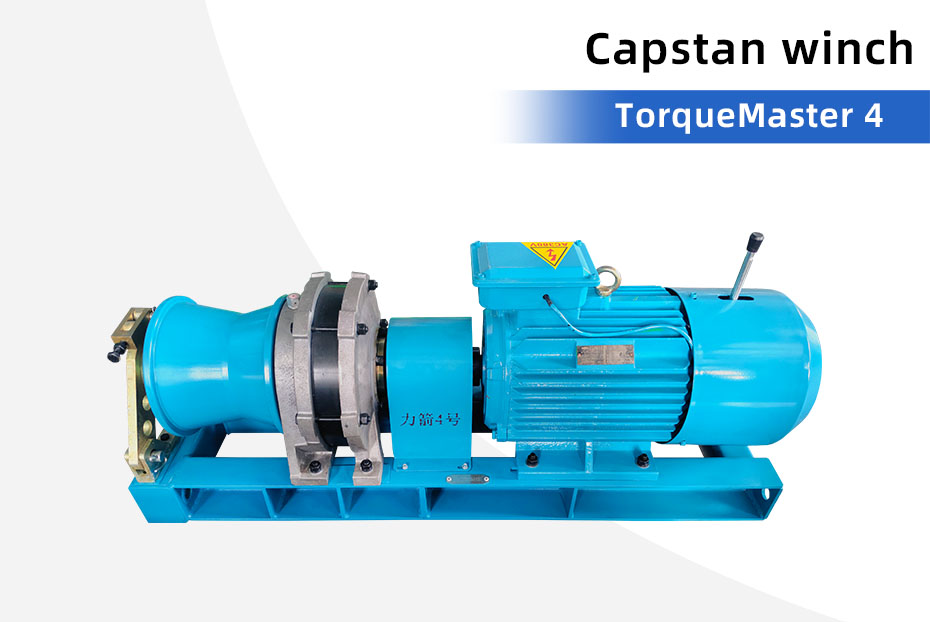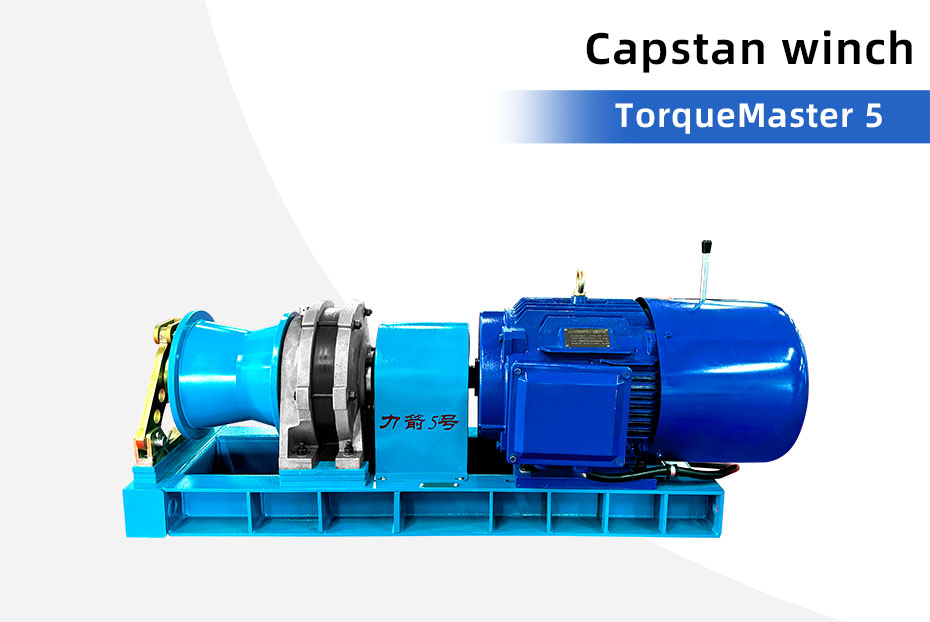
Winch (also known as Power Winch): A Versatile Towing and Lifting Equipment with Wide Applications. Winches are multifunctional towing and lifting devices extensively used across various industries. Below is a detailed overview of their key application fields:
Application in a Hangzhou Construction Project
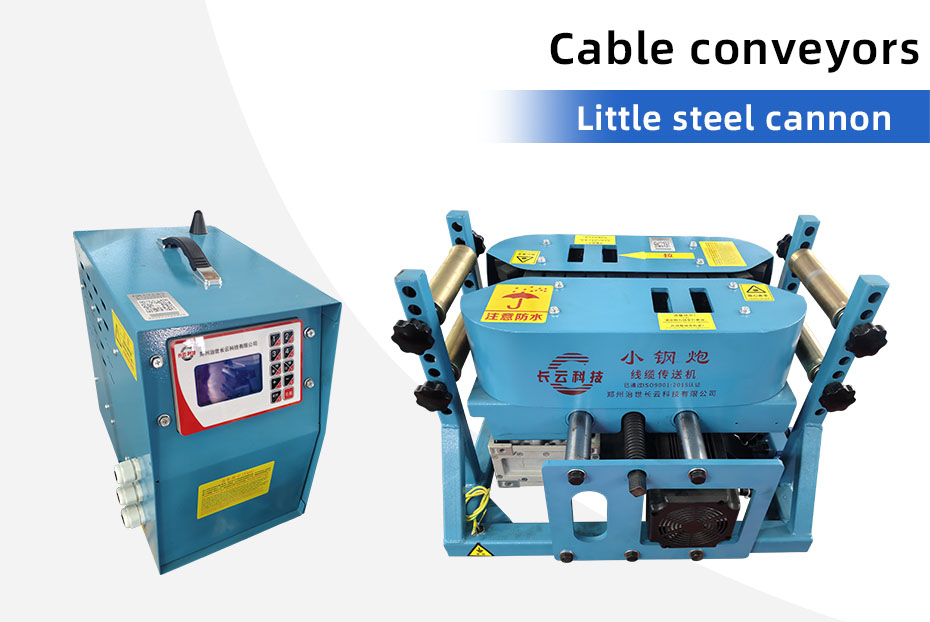
Case Study on Cable Conveyor Application in a Hangzhou Construction Project
Abstract: This paper details a comprehensive solution for efficiently and safely installing large-cross-section, long-distance 10kV high-voltage cables within the complex environment of urban utility tunnels. The solution is based on the high-voltage power access project for a large (Tier A) data center in Yuhang District, Hangzhou Future Science and Technology City. The project successfully employed multiple cable conveyors operating in coordination. This case provides a successful technical and practical model for challenging cable installation projects in urban core areas.
Project Name: External Power Access Project for Phase I of X Cloud Data Center, Hangzhou Future Science & Technology City.
Core Task: Install four 10kV YJV22-3×400mm² high-voltage cable circuits, each approximately 2100 meters long, from a substation 2 kilometers away to the data center’s power distribution room.
Installation Environment: The entire route traverses an operational urban utility tunnel, featuring multiple sections with vertical elevation changes, horizontal bends (minimum bend radius R=20D), and narrow passages.
Primary Challenges:
Cable Weight: Each 3×400mm² cable weighs approximately 25 kilograms per meter, with a total roll weight exceeding 50 tons. Traditional pulling methods are impractical.
Complex route: The non-linear path within the tunnel, featuring multiple inclines and horizontal bends, generates extreme friction resistance and poses high risks of cable sheath damage.
Space constraints: Limited internal tunnel space precludes large machinery, demanding compact and flexible installation equipment.
Schedule and Safety Pressure: The data center commissioning timeline is extremely tight, necessitating efficient installation while ensuring absolute safety (preventing personnel injury and cable damage).
Equipment Selection and Layout:
Selected Equipment: 8 cable conveyors (rated thrust per unit: 8 tons; adjustable traction speed range: 0-7 meters/minute)
Layout Principle: Conveyors positioned approximately every 50 meters along the 2100-meter route. More densely spaced units deployed before/after all horizontal bends and at ramp start/end points to maintain balanced “push-pull” tension on curves, preventing localized lateral stress.
All conveyors interconnected via cables to a central synchronized control cabinet.
The control cabinet employs PLC (Programmable Logic Controller) technology to ensure strict synchronization of all conveyors’ start, stop, and operating speeds, preventing cable accumulation or machine tugging caused by speed discrepancies.
Synchronized Installation Operations
Activate the central control system to synchronously start all conveyors at low speed (approximately 3 m/min).
Personnel equipped with walkie-talkies patrol designated routes, focusing on monitoring curves, intersections, and machine operating conditions. The control system fine-tunes the speed of each unit based on load feedback from the main traction unit to maintain synchronized operation.
Final Project Completion and Testing