Ask for the cable conveyor’s permitted run time at the load and speed you expect to use. A headline force or speed rating does not tell you whether the machine can sustain both together, how long it may run, or what recovery time it needs between sections. Clarify those conditions before using the equipment rating to build a project schedule.
What does a duty rating describe?
A duty rating describes the conditions under which the manufacturer rates a component or machine for operation. The ABB low-voltage motor guide distinguishes continuous running from short-time and intermittent motor duties. If the supplier cites a motor duty designation, ask which motor it applies to and at what load, supply and ambient conditions.
Ask separately for the operating envelope of the assembled conveyor. The controller, drive and other components can have their own restrictions. A motor marking is not a written rating for the conveyor system at maximum push force. If published specifications list speed and force independently, ask whether those figures are available at the same operating point.
Describe your longest planned run and the rest of the shift
Break the planned work into operating intervals. Mark the longest expected loaded run, planned speed range, intended stops, restart frequency, and consecutive sections. Describe the actual working area and the expected ambient conditions so the supplier can address the installed configuration. Do not invent project loads: identify which figures still require engineering confirmation.
A useful enquiry might say: “The project has two consecutive sections in one shift. Please return permitted loaded run time and any recovery interval for each section at the speed and force profile in the attached engineering schedule.” This is a request for evidence, not a suggested machine setting.
Ask for operating limits for the whole machine
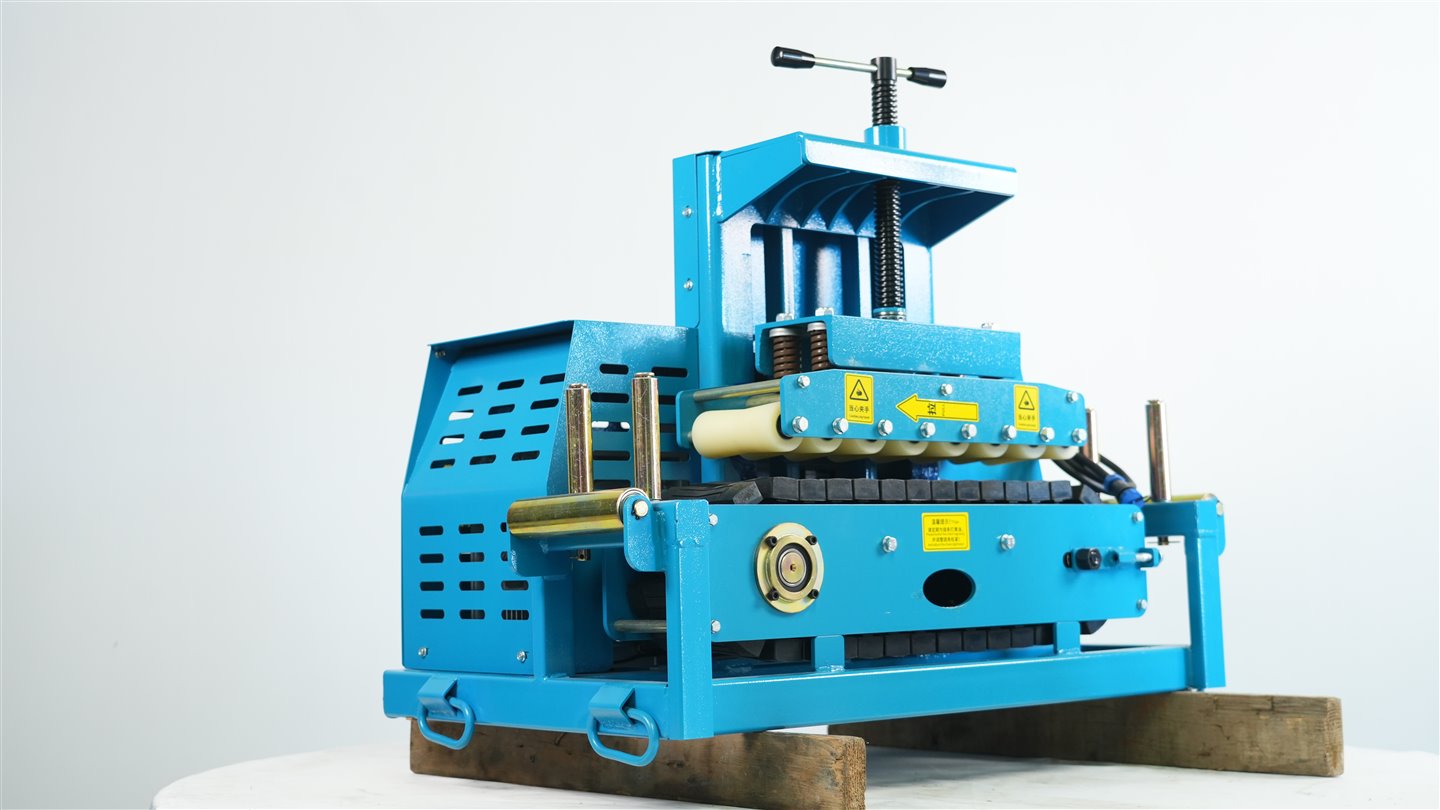
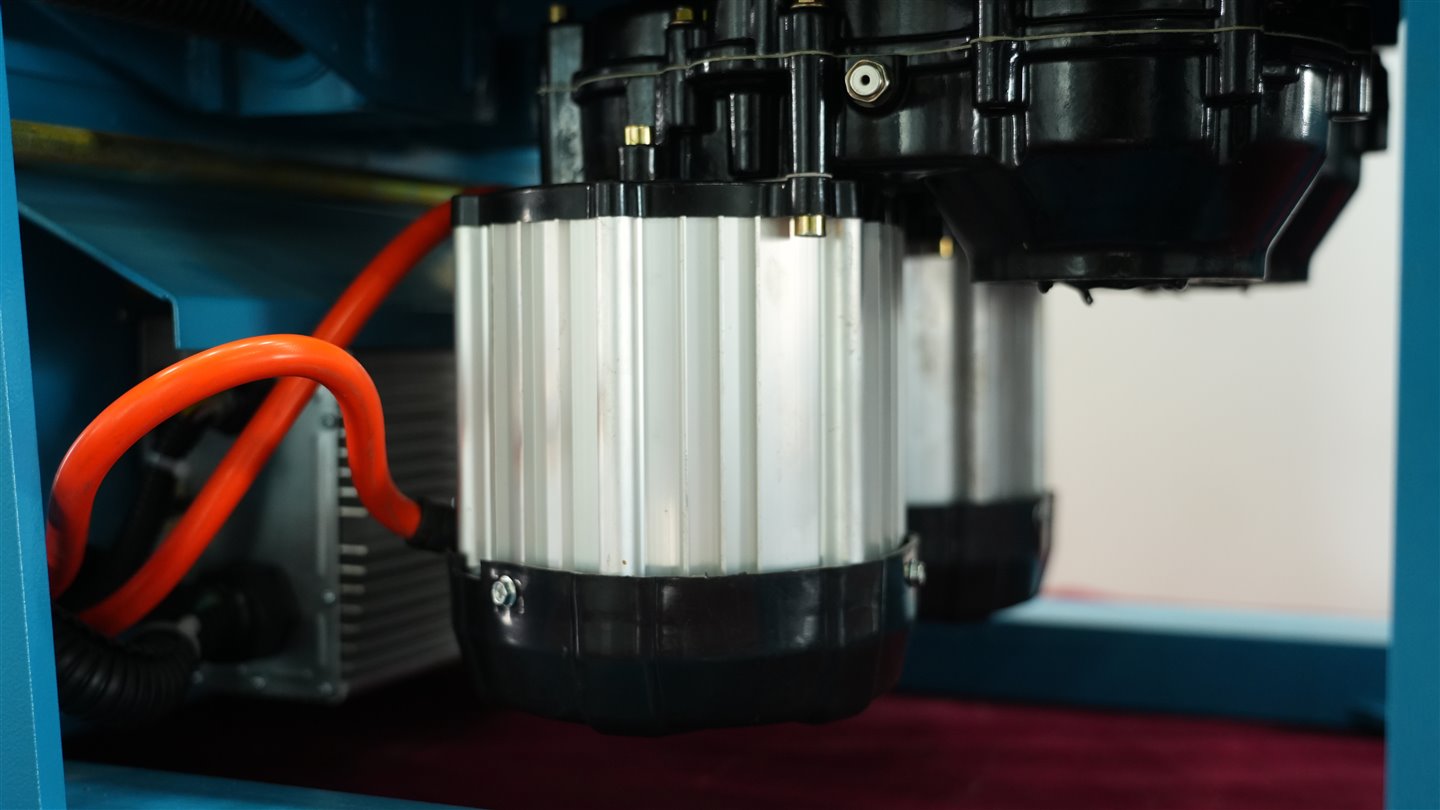
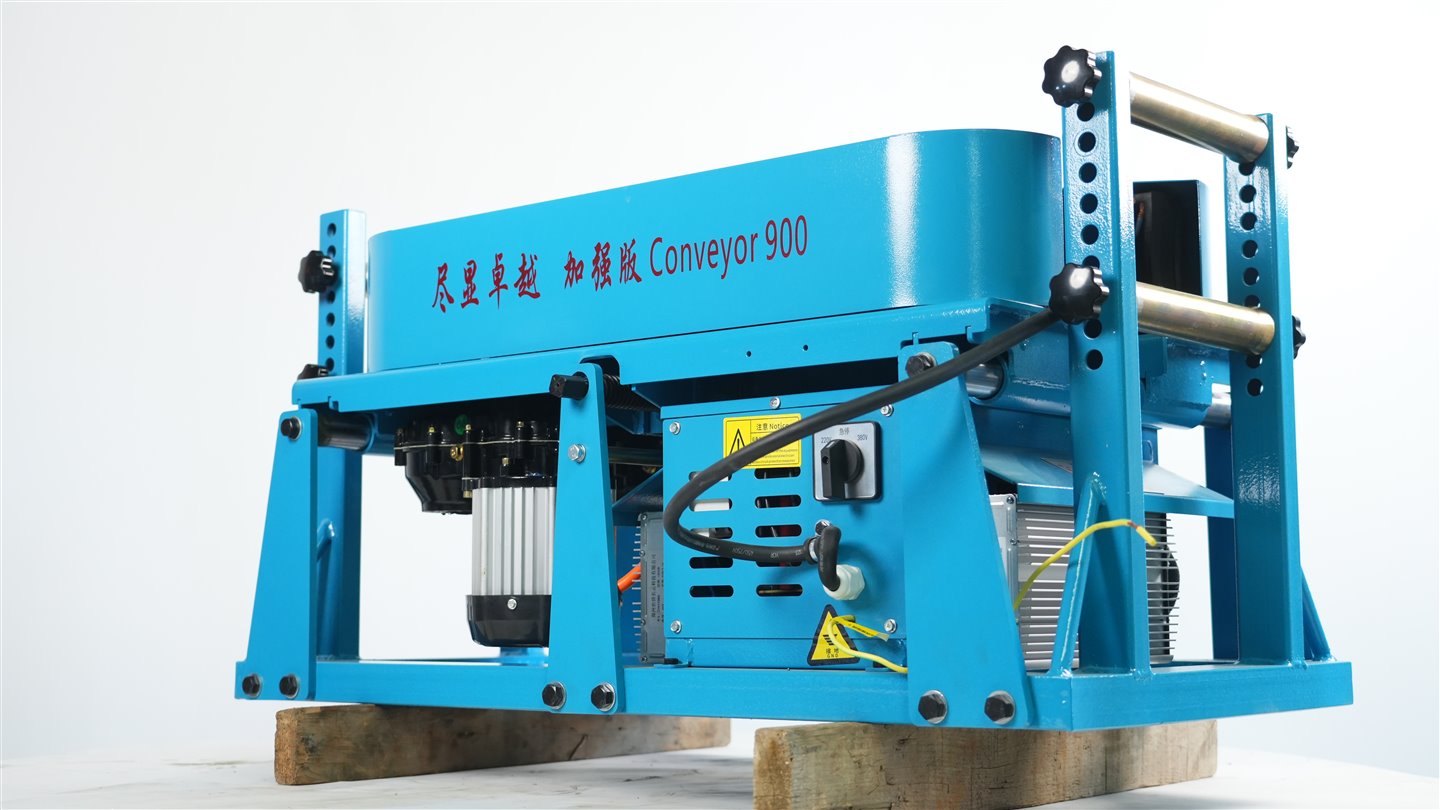
The APEX-8 product page lists a conveying speed of 19.2 m/min and two 1,500 W motors. Those specifications help identify the model. They do not supply a run/rest schedule for a particular job. Ask the supplier to confirm the delivered configuration and identify the applicable operating limits in its documentation.
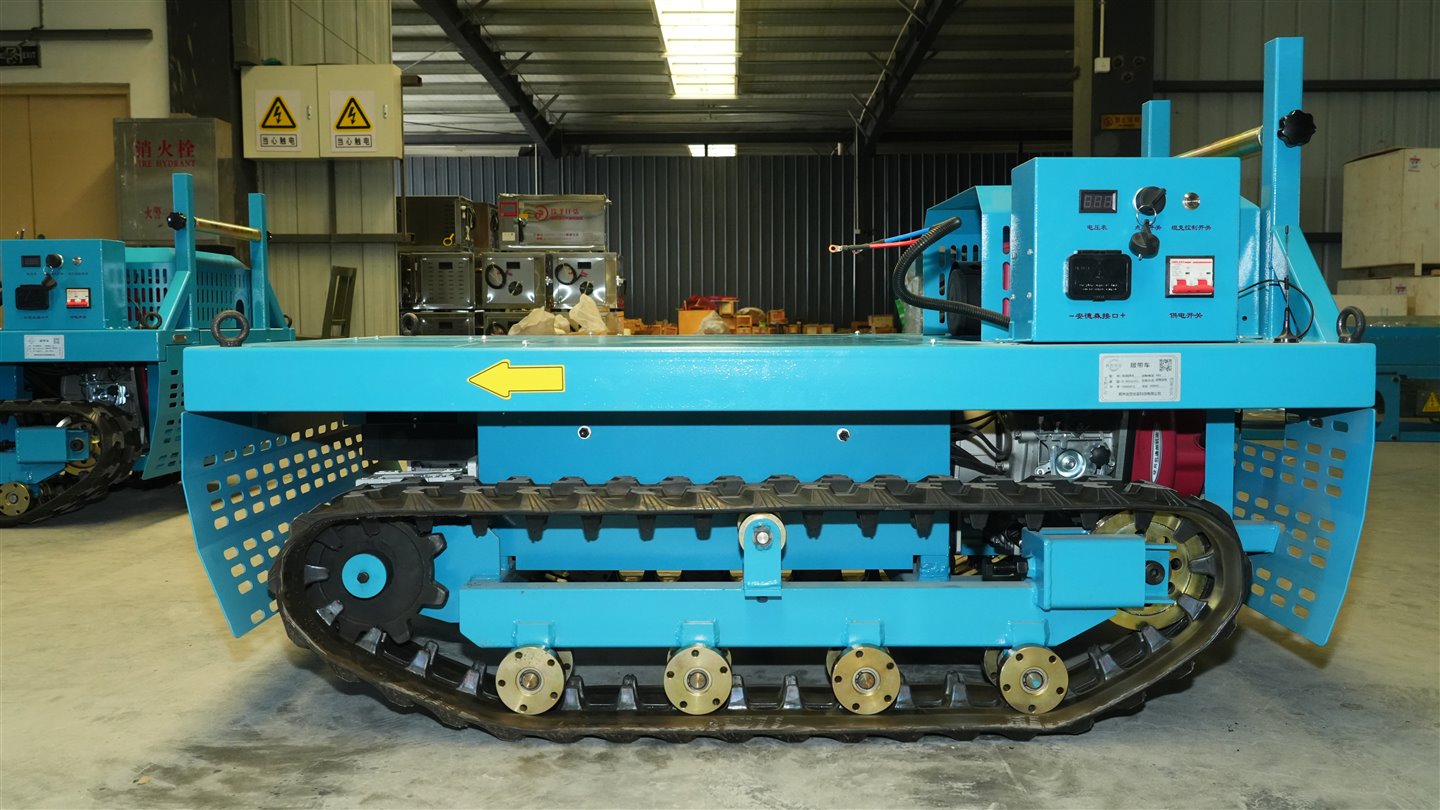
If a Tank 900 crawler conveyor is being considered, distinguish the crawler travel profile from cable conveying. A limit for one mode should not be assumed to apply to the other. Where separate equipment is used together, have the project reviewer reconcile the documented limits of the full arrangement.
Compare written supplier responses on the same conditions
| Topic | Ask for | When to keep it open |
|---|---|---|
| Working point | Permitted combinations of force and speed for the offered model | Only independent maximum values are listed |
| Duty at load | Continuous or time-limited rating, operating window and recovery conditions | The answer says “continuous” without defining the duty or load |
| Starts and stops | Applicable limitations for the expected restart pattern | The schedule has frequent stops but the response covers steady running only |
| Environment | Ambient restrictions, supply requirements and limits for the offered controls | The quotation assumes a different power supply or site conditions |
| Verification | Manual revision and any agreed demonstration or acceptance evidence | A brief unloaded demonstration is the only evidence provided |
Mark each response as confirmed, conditional or awaiting information. Keep the supplier’s written assumptions with the quotation. If two offers describe duty differently, ask for the same run profile to be evaluated rather than comparing the two highest figures.
Request a model-specific duty confirmation
Send the route drawing, cable datasheet, expected load and speed profile, start/stop sequence, available supply and environment. Ask for the exact model, controller configuration and document revision in the reply. Confirm who will review the operating limits before the work plan is released.
Request cable conveyor duty confirmation for your project. If a machine is already showing abnormal heat, consult the applicable operating instructions and use the overheating support checklist to prepare a report. A new quotation is not an instruction to continue operating a machine with an unresolved fault.