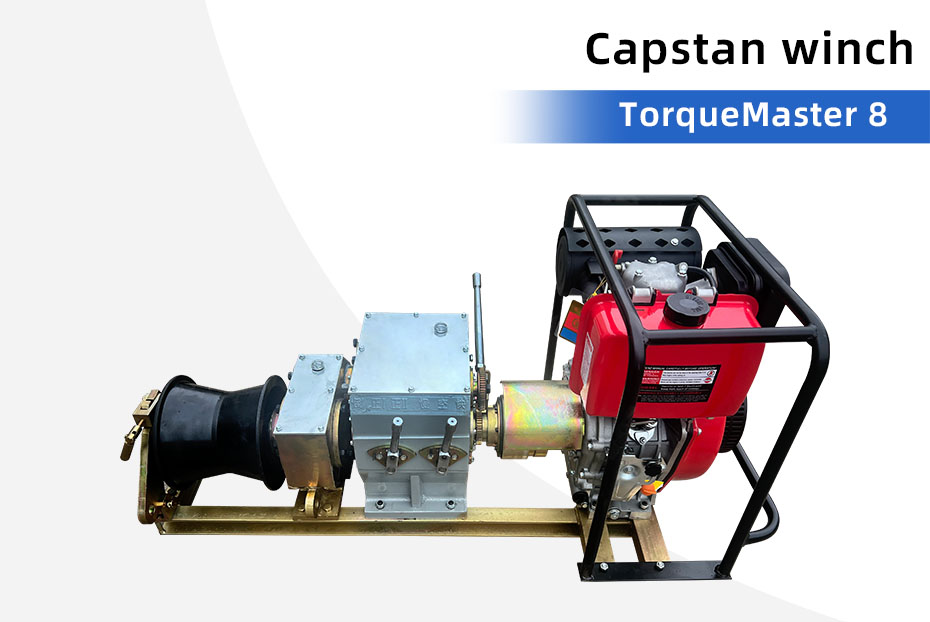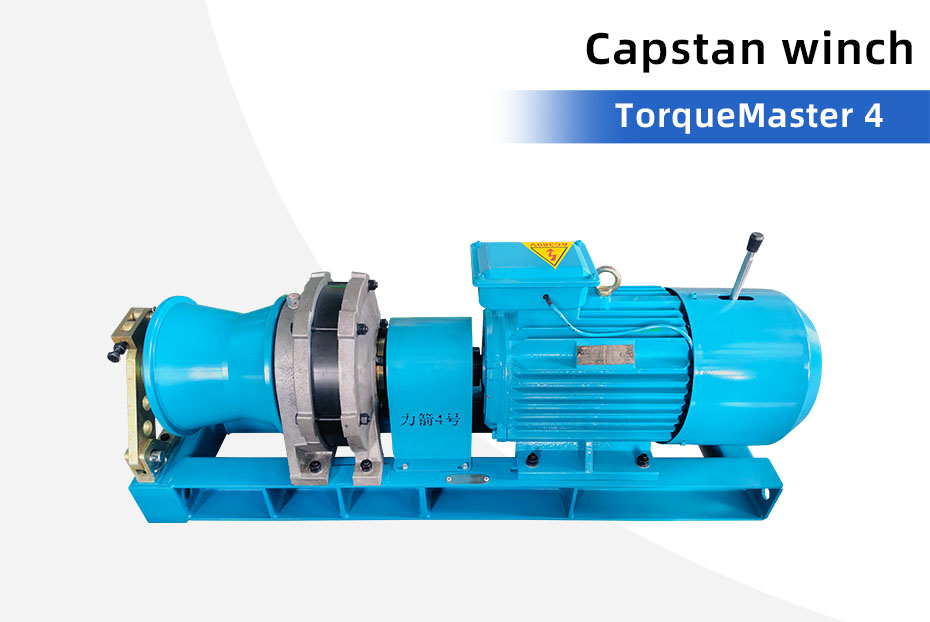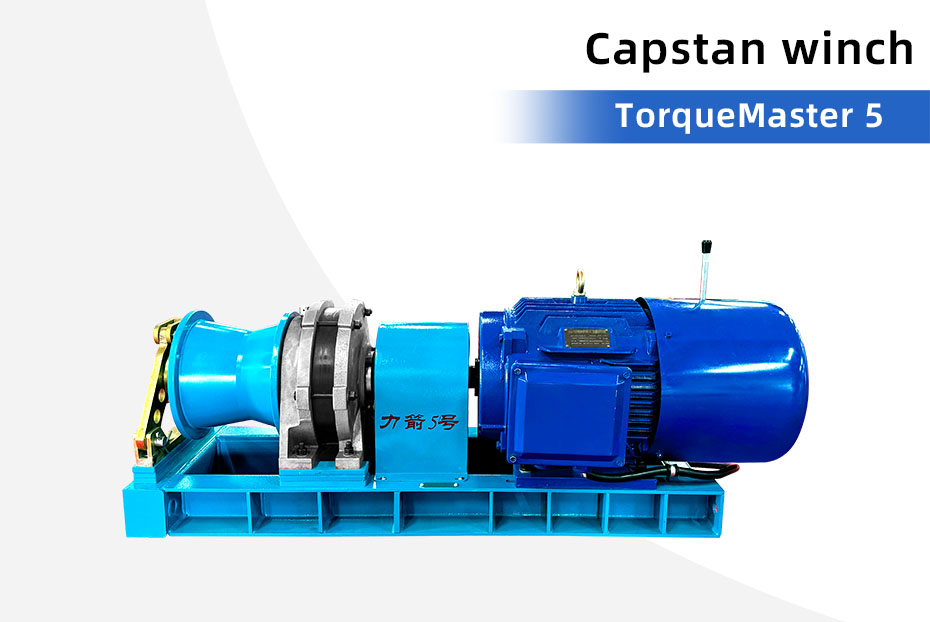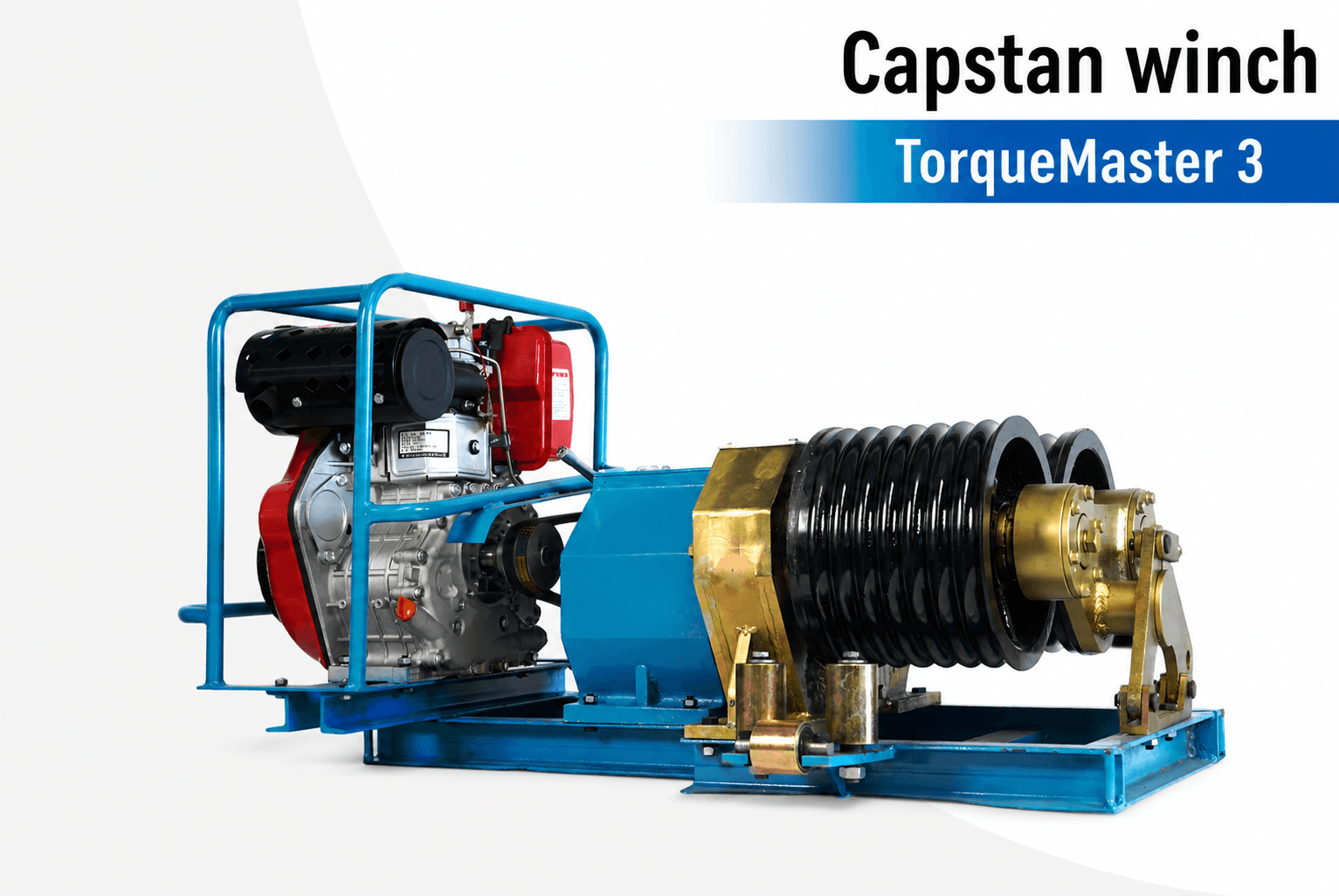

Choose a cable conveyor power configuration by checking the supply available at the work area, the machine’s electrical requirements, access and operating restrictions. An electric cable pusher may use site electricity or a suitable generator. A gasoline or diesel label may describe the generator rather than a direct engine-driven conveying mechanism.
Ask the supplier to identify the complete power path before comparing models. That distinction helps you understand the equipment supplied, the support required and the operating conditions you need to assess.
What do electric, gasoline and diesel mean?
An electric conveyor drives its conveying mechanism with an electric motor. A generator-powered package uses a fuel engine to generate electricity for that motor. Other drive arrangements also exist, so the product name alone is not enough to establish the configuration.
Specify the generator, motor, controller and connection arrangement in the quotation. Do not assume that a fuel-powered model automatically supports connection to site electricity, or that every electric model can run from any portable generator.
Power options compared
| Configuration | When to evaluate it | What to confirm |
|---|---|---|
| Site-supplied electric conveyor | A suitable electrical supply is available at the working position. | Voltage, phase, frequency, supply capacity and cable arrangement. |
| Gasoline-generator package | The installation needs a proposed independent power source. | Generator inclusion, output compatibility, fuel logistics and permitted operating location. |
| Diesel-generator package | A diesel-powered configuration fits the site’s proposed equipment plan. | Generator duty, controls, handling, service requirements and operating restrictions. |
These are selection questions, not a universal ranking of the three options. Cable handling capability must also match the route and the cable manufacturer’s limits.
When is an electric cable conveyor worth considering?
Start with an electric model when a suitable supply can be provided where the machine will work. Review the complete supply arrangement, including the distance to the connection point and the equipment’s starting requirements.
The APEX-8 electric cable conveyor is one product to evaluate. Its published conveying specification should be checked alongside the delivered power and control configuration. For a different electrical configuration, review the LayPro 900 dual-voltage conveyor, then confirm voltage, phase, frequency and connection requirements for the exact unit.
A dual-voltage model name should not be interpreted as permission to connect a machine to either supply without following its instructions. Where published sections disagree, request a current datasheet and written configuration confirmation.
When should you evaluate gasoline or diesel power?
A generator package may be relevant where site electricity is unavailable or cannot be provided at the planned working position. Confirm that the package supplies the conveyor at the required duty; engine power and motor power are different specifications.
The Tank 900 crawler cable conveyor lists a gasoline configuration. Ask which generator and control equipment are included and how the operating modes apply to the supplied unit. The Bull No.6 diesel cable conveyor provides a diesel-generator option to discuss for a different equipment package.
Do not select a fuel type from an assumed operating-cost saving. Compare the actual equipment duty, expected working hours, local fuel availability and maintenance requirements. Request consumption data for the relevant operating conditions if it is needed for budgeting.
Underground routes need a separate site assessment
A cable route in a tunnel does not automatically make every proposed power source suitable for use inside that tunnel. Exhaust, ventilation, fire controls and site restrictions require review by the responsible site team.
Identify the proposed generator location separately from the conveyor location. Any remote power arrangement must follow the equipment instructions and an assessed electrical supply plan. This article does not approve a fuel engine for a confined-space installation.
Check handling and control compatibility
Compare the complete package’s dimensions and weight, not only the conveyor body. Account for access openings, positioning, transport and servicing space.
For several machines, ask how commands and stop functions are coordinated. A common fuel type does not establish control compatibility. Read the cable conveyor buying checklist for the other checks that remain important after you choose the power source.
Questions to include in your equipment enquiry
- Is this machine supplied for site electricity, generator power or a confirmed combination?
- What voltage, phase and frequency does the delivered unit require?
- Which generator, controller and connecting accessories are included?
- What operating and maintenance documents apply to the package?
- What access, environmental and control conditions need confirmation?
Use the equipment support and selection checklist to prepare the enquiry. Then compare an itemized package using our cable conveyor quotation guide.
Power configuration FAQ
Is diesel always more powerful than electric?
The fuel label does not establish conveyor output. Compare the verified machine specifications and the complete power system for the required duty.
Can I use my existing generator?
Provide its specification to the equipment supplier and the responsible electrical professional. Compatibility needs assessment for the exact conveyor and operating load.
Can an electric conveyor run indoors?
Confirm the machine’s intended operating environment and the site’s requirements. Electric drive alone does not establish suitability for every indoor, wet or hazardous area.
Discuss the right configuration for your project
Request a power-configuration recommendation and quotation with the cable specification, route layout, available supply, proposed power-source location and destination. You can also browse our cable conveyor models before sending the enquiry.