
A cable pusher grips the cable and feeds it forward through powered tracks, belts or rollers. A cable pulling winch draws a rope connected to the cable’s leading end. Some projects use one method; others combine a winch with one or more pushers to share the installation effort.
Choosing between them requires the cable specification and route conditions. Neither method removes the need to control cable loads, support the cable and follow the manufacturer’s installation limits.
Cable pusher and cable winch: the main differences
| Question | Cable pusher or conveyor | Cable pulling winch |
|---|---|---|
| How is force applied? | Drive surfaces contact the cable jacket and advance the cable locally. | A pulling rope transfers force through the approved cable attachment. |
| Where is access needed? | At the entry or intermediate location where the machine contacts the cable. | At a suitable pulling location, with an approved restraint or anchoring arrangement. |
| What needs checking? | Cable diameter, jacket suitability, feeding force, support and mounting. | Required pull, rope and attachment compatibility, restraint, speed and load control. |
| Can they work together? | May assist at accessible points along the route. | May provide the leading pull while pushers assist. |
| What limits remain? | Jacket contact pressure, bending and compression or buckling risks. | Allowable pulling tension, bend loading and attachment limits. |
When should you consider a cable pusher?
A pusher is worth evaluating when the installation needs powered feeding at the drum end or an accessible intermediate point. It may also suit a cable tray or tunnel route where machines can be positioned and supported at approved locations.
Check cable compatibility before choosing the drive arrangement. The machine must accept the outside diameter and grip the jacket without exceeding the cable’s permitted handling conditions.
Physical access can narrow the choice. For example, the Gecko multi-layer cable tray conveyor has a listed 1–6 cm cable range and 3–12 m/min speed. Those specifications provide a starting point for a tray-installation enquiry; mounting and route suitability still require confirmation.
When should you consider a cable pulling winch?
Evaluate a winch when the approved installation method uses a pulling rope and a suitable attachment to draw cable along the route. The pulling position must provide adequate access and a restraint arrangement designed for the duty.
Compare the winch’s usable force and speed with the calculated installation load. Check the rope, attachment, guide rollers and load-monitoring arrangements as a system. A high advertised winch rating is not permission to apply that force to the cable.
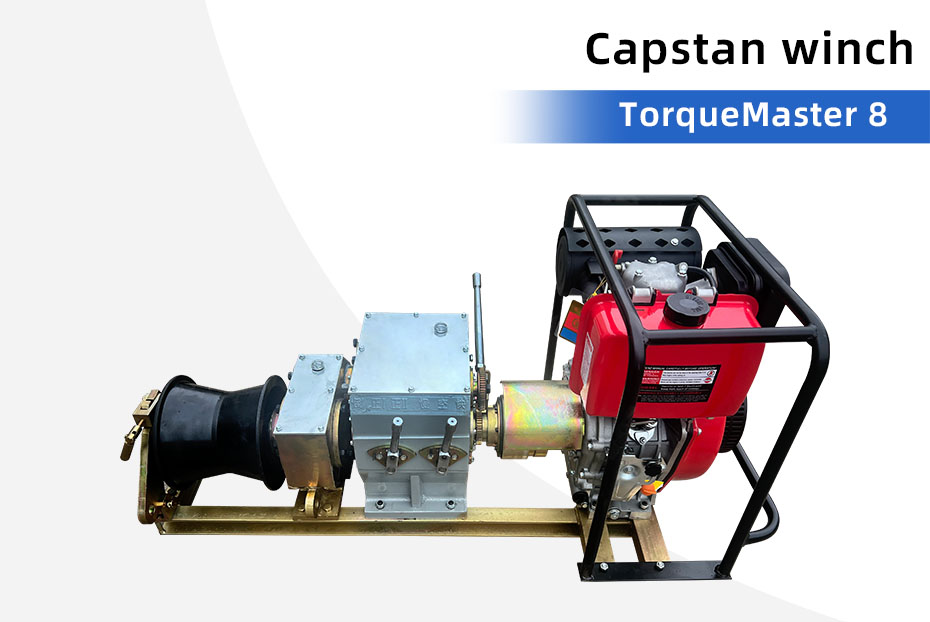
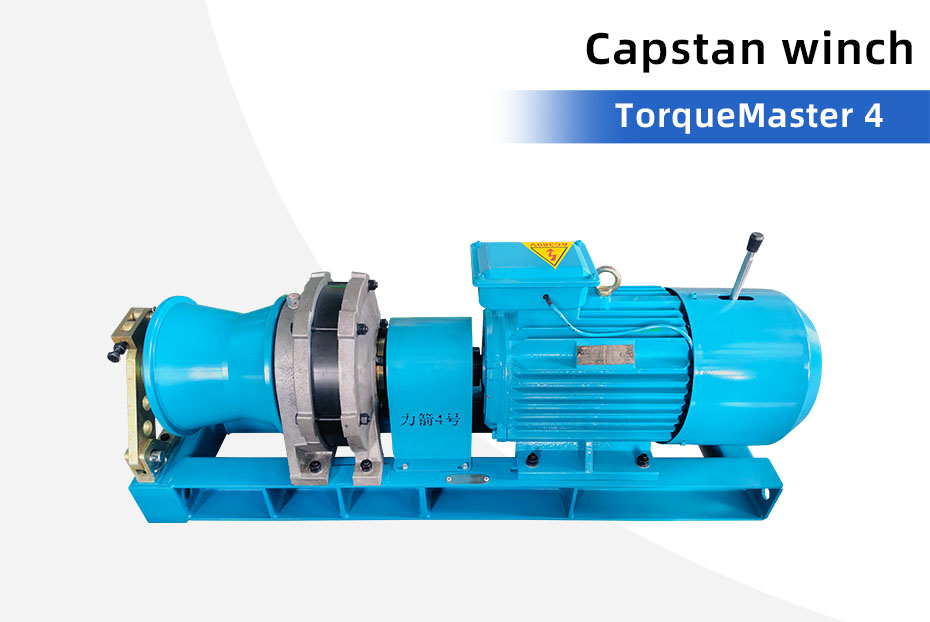
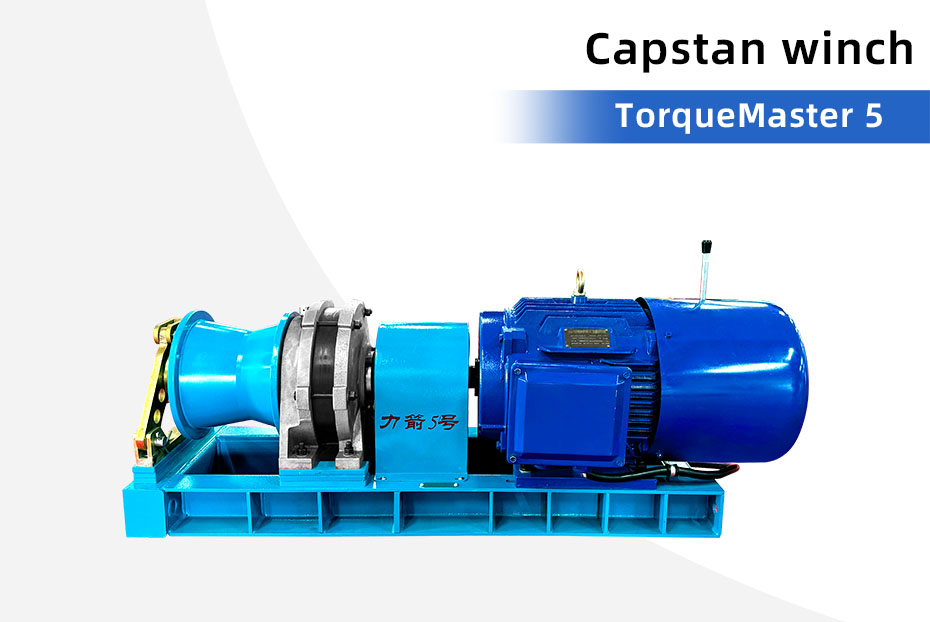
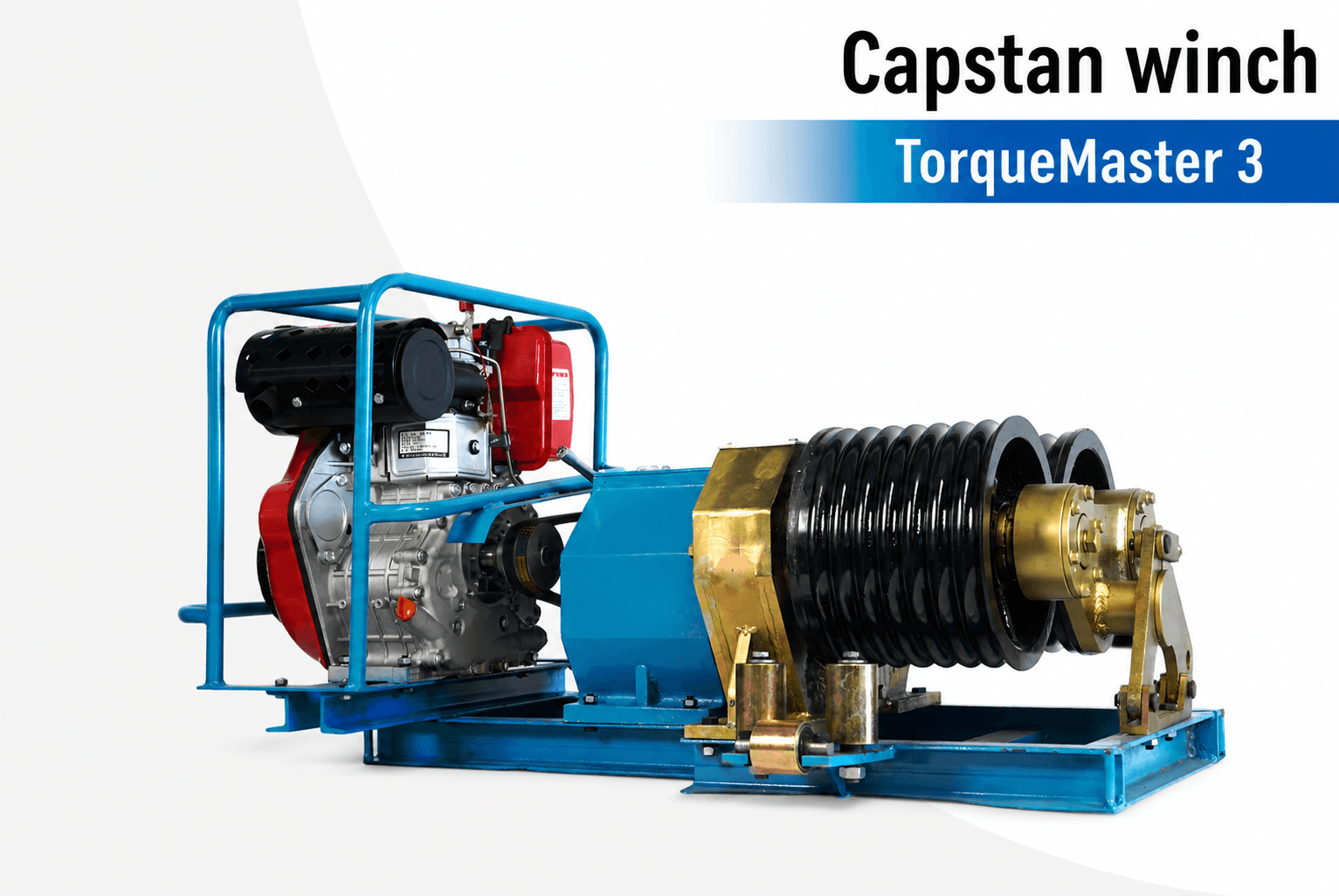
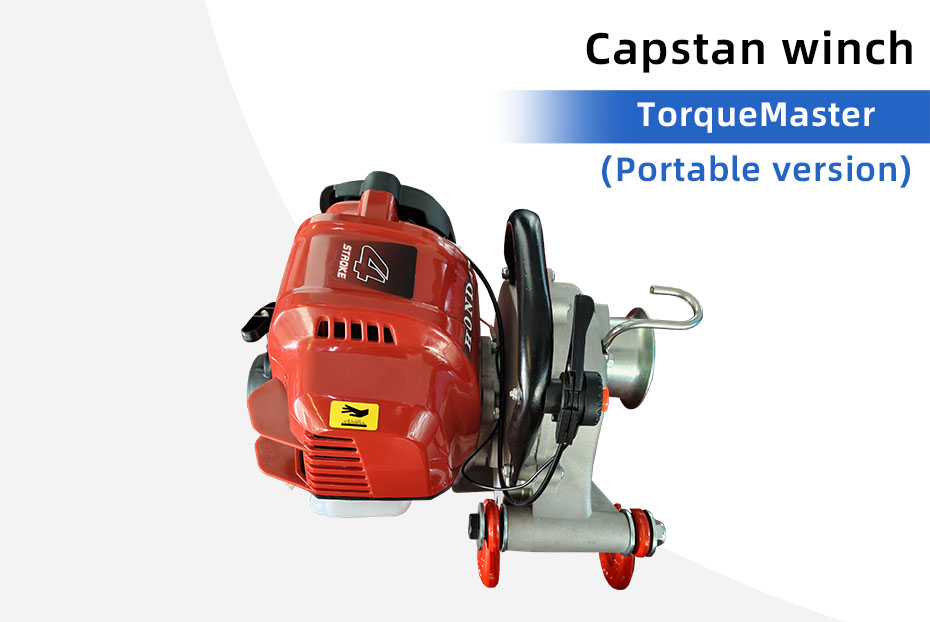
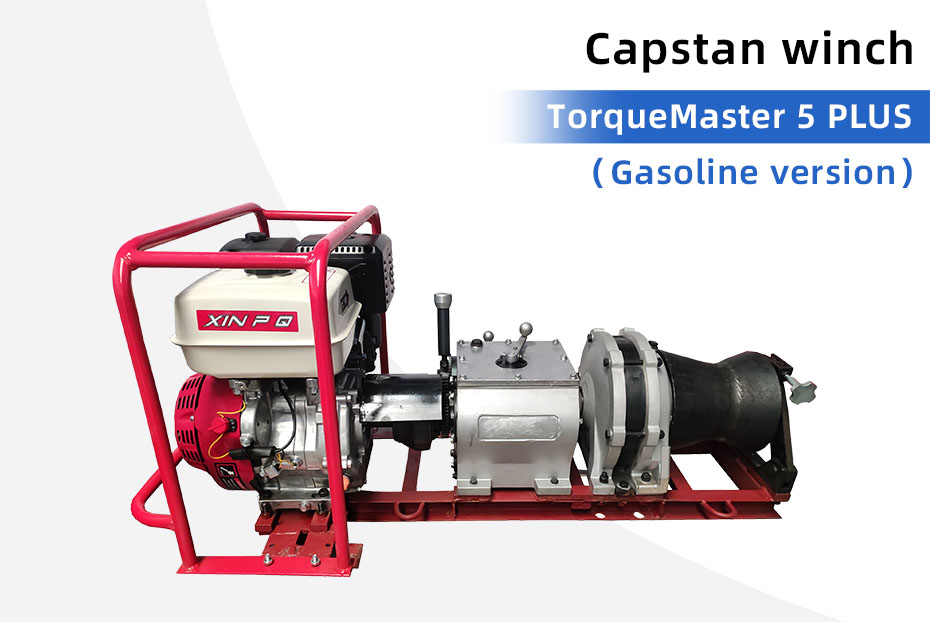
Our capstan winch range provides equipment options for discussion. Specify the actual pulling duty rather than selecting solely from the tonnage in a model name.
Why combine a cable pusher with a winch?
An intermediate pusher can contribute drive along the route instead of leaving the leading pull to overcome all the resistance. This is a recognized equipment arrangement: GMP describes a cable pusher assisting a winch in open-trench cable work.
The benefit depends on location, cable support and coordination. The engineering review must establish whether the arrangement controls cable loads throughout the route. Adding equipment without a coordination plan can create uneven movement or excessive local loading.
Do not add the machines’ catalogue force ratings and treat the total as a safe cable load. Confirm speed compatibility, operator communication and the stop response of every unit. Separate remote controls should not be assumed to form a synchronized system.
Three route scenarios to discuss with your supplier
1. An accessible cable tray route
Start with tray dimensions, support capacity, cable diameter and machine positioning. A compact conveyor may be a candidate where its mounting arrangement is suitable. Check transitions and bends as well as the straight sections.
2. An underground duct route
Provide duct condition, bend geometry, gradients and access-point locations. Establish an approved pulling or feeding method before selecting equipment. A pusher cannot be assumed to overcome a blocked duct or safely feed every cable through every bend.
3. A route with intermediate access points
Ask whether an assisted arrangement is justified and where machines could be positioned. Machine spacing depends on the route assessment; there is no universal distance that applies to every cable installation.
How do you compare price fairly?
Compare complete equipment packages for the same installation duty. A pusher quotation may exclude the control accessories or power supply needed on site. A winch quotation may exclude rope, cable attachments, guides or monitoring equipment.
Include transport, handling, wear parts and maintenance in the comparison. Ask which items are supplied, which are optional and which must be provided by the contractor. The cheapest individual machine may not be the lowest-cost complete setup.
For a machine-by-machine buying checklist, read how to choose a cable conveyor.
Frequently asked questions
Can a cable pusher replace a winch?
Sometimes a suitable pusher can perform the required feeding duty, but replacement must be assessed for the specific cable and route. Long or complex installations may require assisted pulling rather than a single machine.
Does using a pusher eliminate cable damage risk?
Incorrect grip pressure, inadequate support and excessive bending can still damage cable. Follow the equipment manual and the cable manufacturer’s handling limits.
Is cable conveyor another name for cable pusher?
In power cable installation, the terms commonly overlap. Ask for the drive arrangement, compatible cable range and intended installation method so the quotation covers the equipment you need.
Can the same machine be used for fibre optic cable?
Do not assume a power-cable conveyor is suitable for fibre. Confirm the fibre cable manufacturer’s limits and the equipment supplier’s approval for the exact diameter, jacket and installation method.
Get an equipment recommendation for your route
Send the cable datasheet, route drawing, length, bends, gradients, access-point dimensions and available power supply. Include any existing winch, conveyor and controller specifications so compatibility can be reviewed.
Request a cable pusher or winch equipment quotation, or browse our cable conveyors. Ask for the proposed configuration and a clear list of included accessories.
Installation planning note: the cable manufacturer’s current limits govern the project. Southwire’s installation guide explains why sidewall pressure at bends needs assessment. This comparison is procurement guidance, not a substitute for qualified engineering or operating instructions.