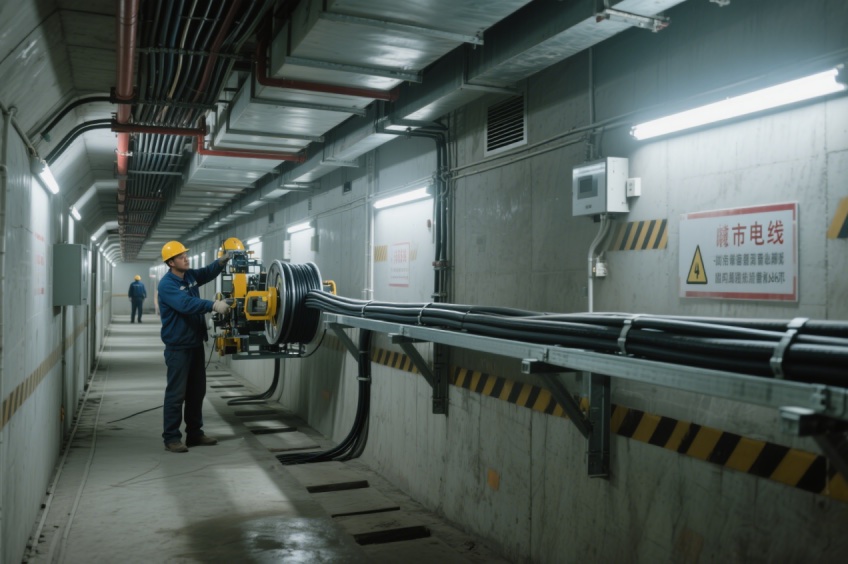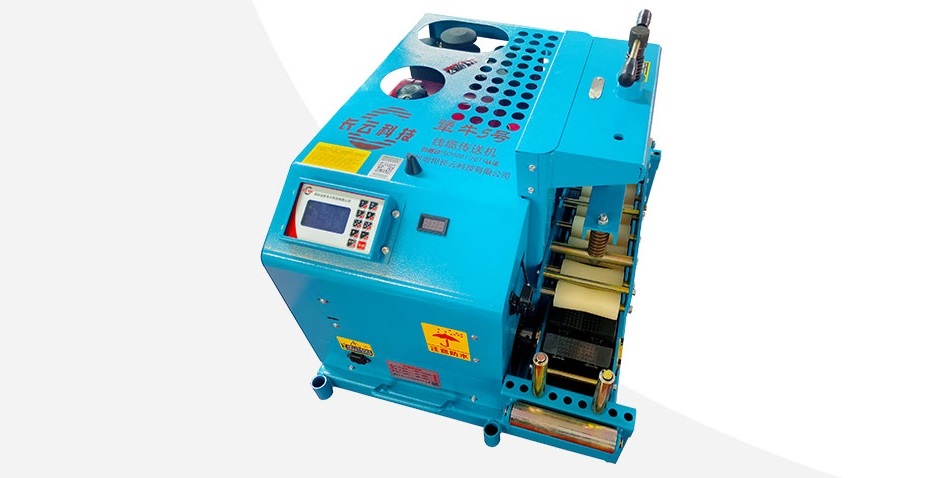
A cable pusher and fiber blowing machine can both help move cable, but they are different equipment systems. A conventional cable conveyor grips the cable mechanically. A fiber blowing or jetting system is designed to install compatible cable into a suitable duct using a controlled combination of feeding and airflow.
For a purchase enquiry, describe the installation method as well as the cable. A machine advertised for cable feeding should not be assumed to include a duct sealing head, air connections or the controls needed for a blowing operation.
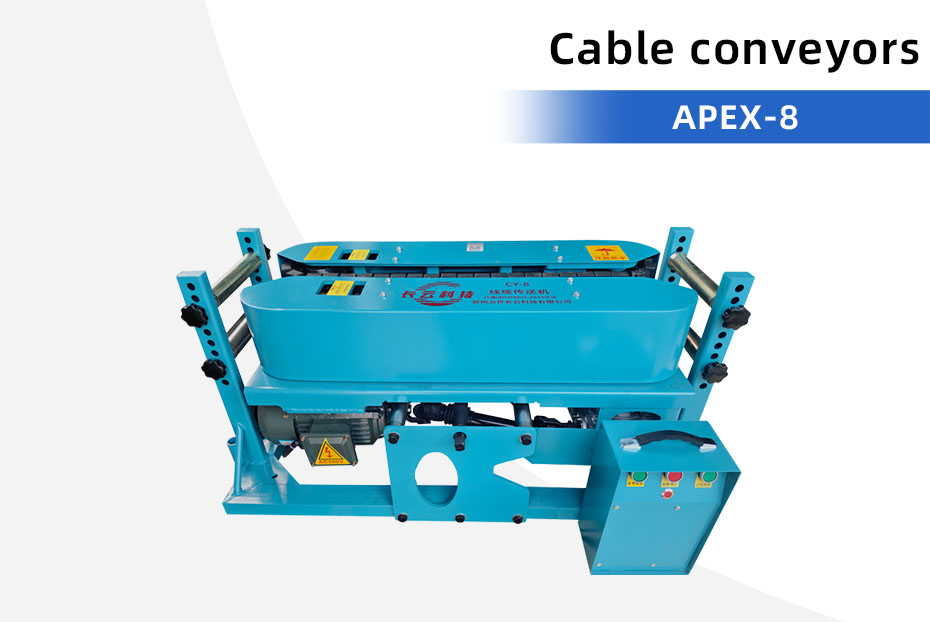
What does a mechanical cable pusher do?
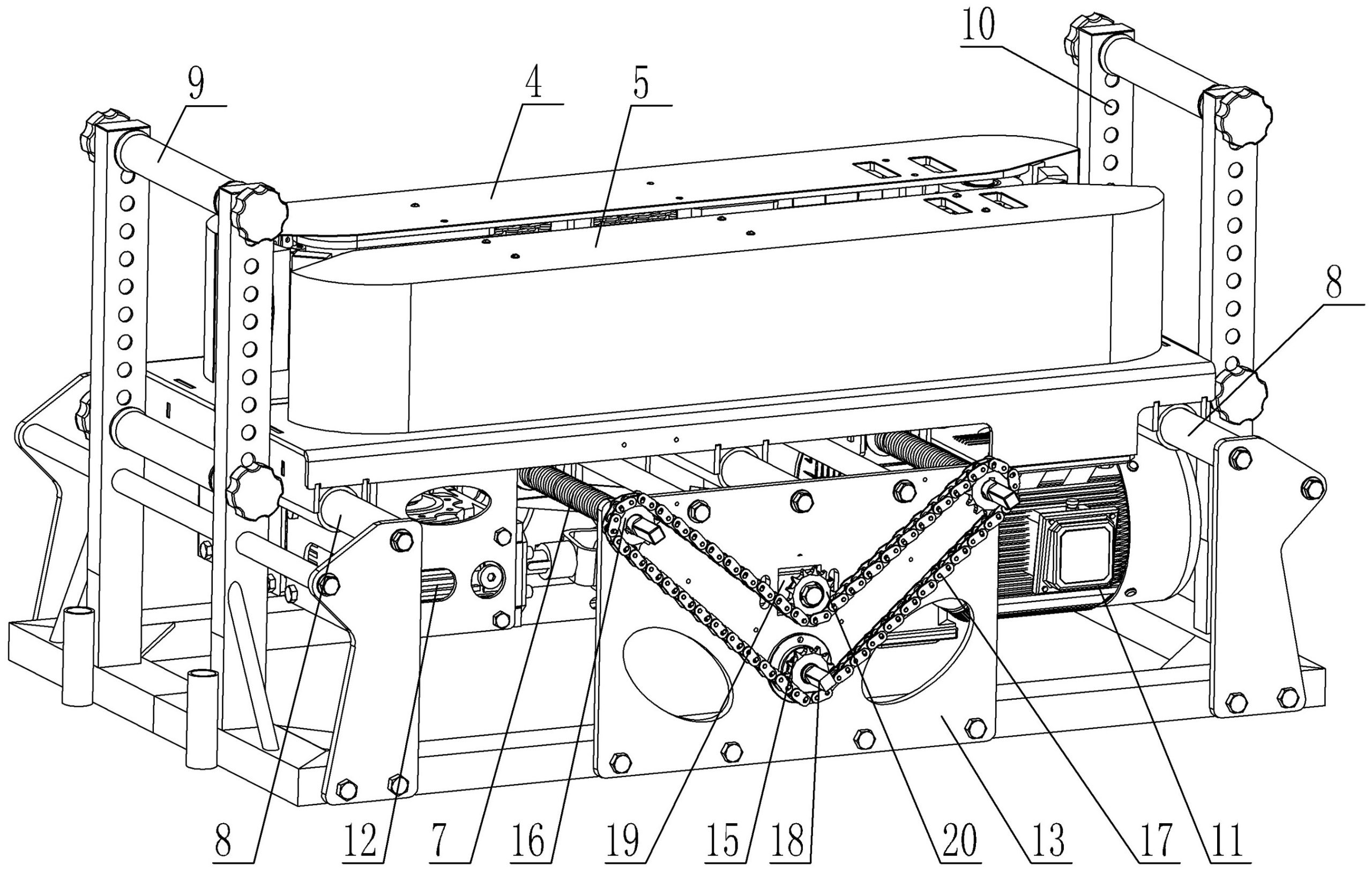
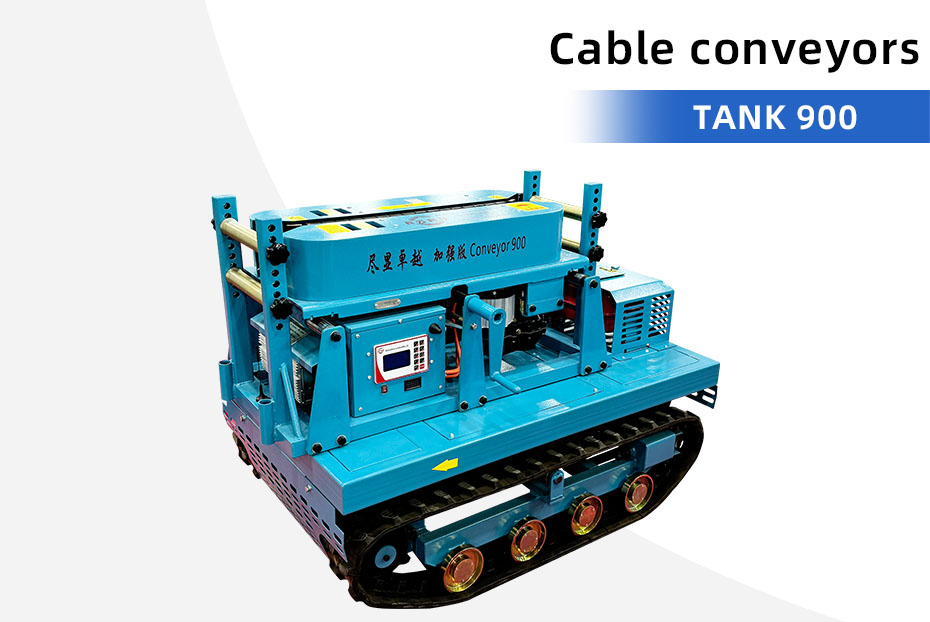
Driven wheels or tracks transfer force through contact with the cable surface. In a planned cable installation, this can provide a feeding or assisting point along the route. The drive mechanism, cable-contact parts and supported cable sizes depend on the model.
For example, the APEX-8 cable conveyor page lists a 2–24 cm cable diameter range. That range is a machine specification, not approval for every cable construction within it. Confirm the cable jacket, allowable handling loads and proposed installation arrangement with the suppliers.
What is different about fiber blowing?
Plumettaz describes CableJet as equipment for blowing or floating telecommunications cables into preinstalled ducts. Its technical paper on cable blowing tests explains the combined action of pushing and airflow along the cable.
A blowing enquiry therefore needs duct information and the proposed air supply as well as the cable datasheet. The machine manufacturer must confirm the compatible cable, duct, seals and operating requirements. Performance from one cable-and-duct combination should not be treated as a guaranteed distance for another route.
Compare the complete installation system
| Question | Mechanical conveyor enquiry | Fiber blowing enquiry |
|---|---|---|
| How is cable moved? | By the specified wheel or track contact system | By the blowing system’s feeding mechanism and airflow |
| Which dimensions matter? | Cable diameter, machine clearance and route geometry | Cable diameter, duct dimensions and route geometry |
| Which equipment must be identified? | Conveyor, controls and supporting guides or rollers | Blowing machine, duct connections, seals and suitable air supply |
| What needs confirmation? | Cable-contact suitability and permitted handling loads | Cable-and-duct compatibility and the manufacturer’s system requirements |
Does a larger pushing force make a machine suitable for fiber?
Rated machine force does not determine a fiber cable’s allowable installation load. The 900 Mini cable conveyor lists a 2–18 cm cable range; that specification does not establish suitability for small fiber units or microduct installation. Use the actual cable manufacturer’s handling requirements and a matched installation system.
What should you send with an enquiry?
Provide the cable datasheet, outside diameter, weight per metre and intended installation method. For duct work, add duct dimensions and condition, route length, bends and access points. Identify the equipment already available on site.
Request a mechanical cable conveyor assessment if your project needs a feeding or assisting machine. State explicitly if the work requires fiber blowing so the equipment boundary can be checked. For a pulling arrangement, also read our cable pusher and winch comparison.