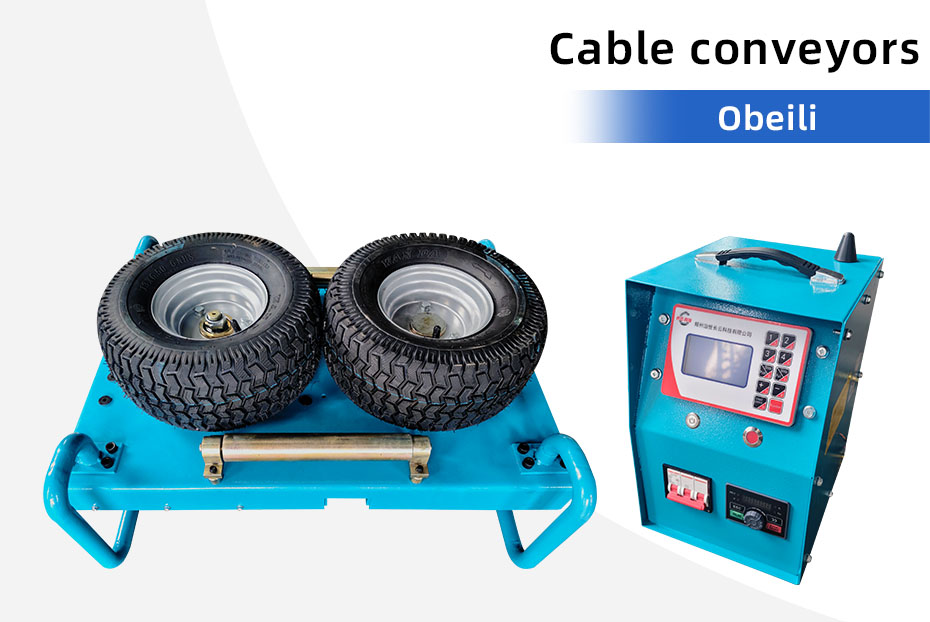
Cable conveyor storage starts when the installation finishes. A machine put away with an unidentified fault or missing controller can delay the next project even when the main drive still looks intact.
Use the supplied manual for shutdown, isolation, cleaning and storage conditions. Record the machine’s condition and keep the ordered accessories together. Storage preparation is also a useful point to identify damage that needs qualified attention before the equipment returns to work.
Follow the manual for cleaning and protection
Cleaning products, lubrication points and protective measures depend on the drive system and electrical components. Ask the manufacturer which methods are permitted. Do not assume a pressure washer, solvent or lubricant suitable for another machine is suitable for yours.
As one manufacturer-specific example, GMP’s cable pusher instructions call for cleaning after use and storage under cover. Its service instructions apply to that equipment. Obtain the correct instructions for your own model rather than transferring service intervals or lubricant specifications.
Create a storage and handover record
| Record | What to include | Why it helps |
|---|---|---|
| Machine identity | Model, serial number and nameplate photo | Matches the unit to the correct manual and parts |
| Electrical version | As-supplied voltage and controller identification | Prevents assumptions when it reaches another site |
| Condition | Visible damage, reported faults and completed service | Keeps unresolved issues visible |
| Accessory inventory | Controllers, connection leads, guides and fitted attachments | Shows what must accompany the machine |
| Storage details | Location, date and person responsible | Makes the equipment and its records easier to retrieve |
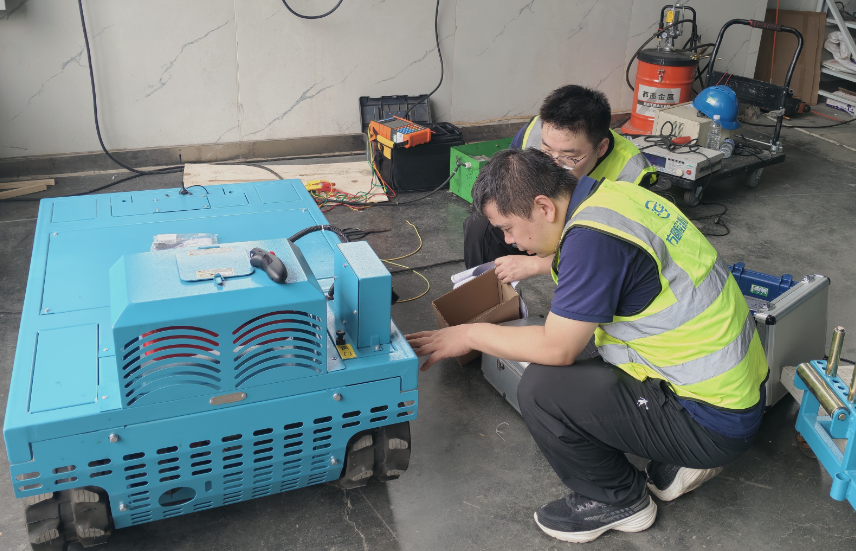
Take identification and condition photos after the machine is safely isolated. If an issue remains unresolved, record the restriction clearly and refer it to the responsible maintenance team. A storage checklist does not certify a machine as fit for use.
Keep the delivered configuration identifiable
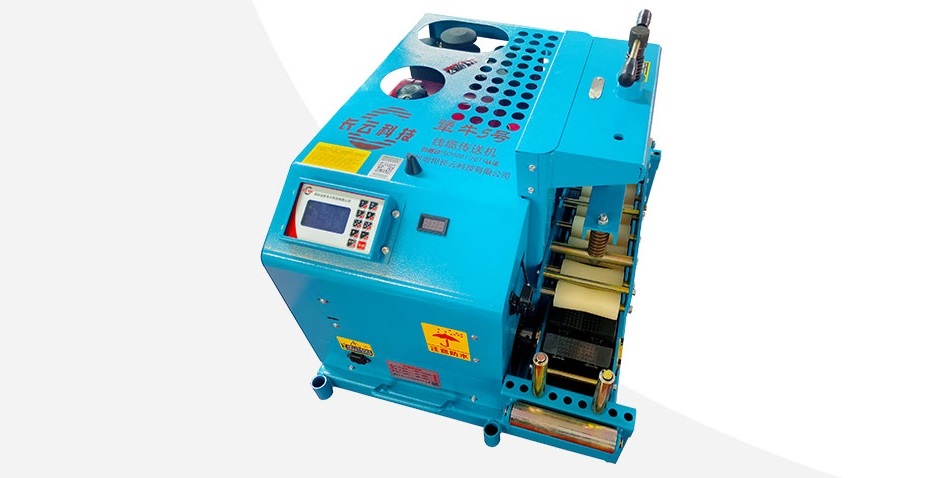
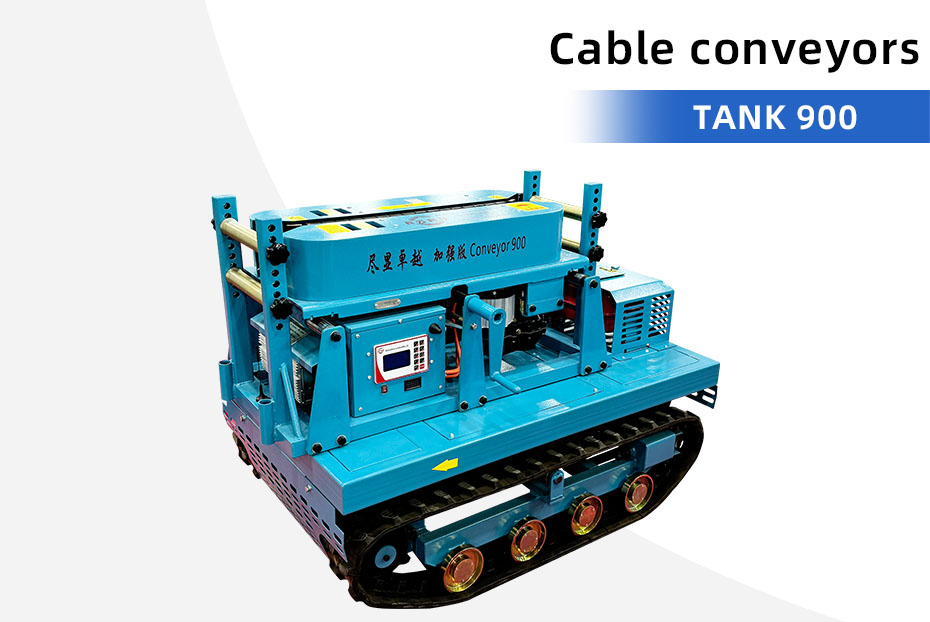
The 900 Mini cable conveyor lists AC380V as standard and AC220V as customizable. The stored machine’s nameplate and order record identify the version actually delivered. A new crew should not infer voltage compatibility from a general product page.
The same page lists a machine weight of 182 kg. Arrange handling and transport using the supplied instructions and suitable equipment. The model name “Mini” does not establish that manual lifting is appropriate. Ask for packed dimensions and gross weight when arranging a shipping container or collection vehicle.
Review the record before the next installation
- Retrieve the manual and identify the actual machine and controller.
- Check whether recorded faults have been resolved and required service is complete.
- Reconcile the accessory inventory before dispatching equipment to site.
- Confirm the new site’s power and cable requirements against the supplied version.
- Have the responsible team perform the manual’s pre-use checks before operation.
The Oubeili 200 wheel-type tractor uses a different configuration from the 900 Mini. Keep each unit’s instructions and parts identification separate, even when they share the same equipment store.
Request the correct manual or replacement component
Send a model-specific service or parts enquiry with the serial number, nameplate photo and component details. Use the spare-parts ordering checklist to prepare the request. If a problem first appeared during the last installation, include the recorded operating symptoms instead of guessing the cause.