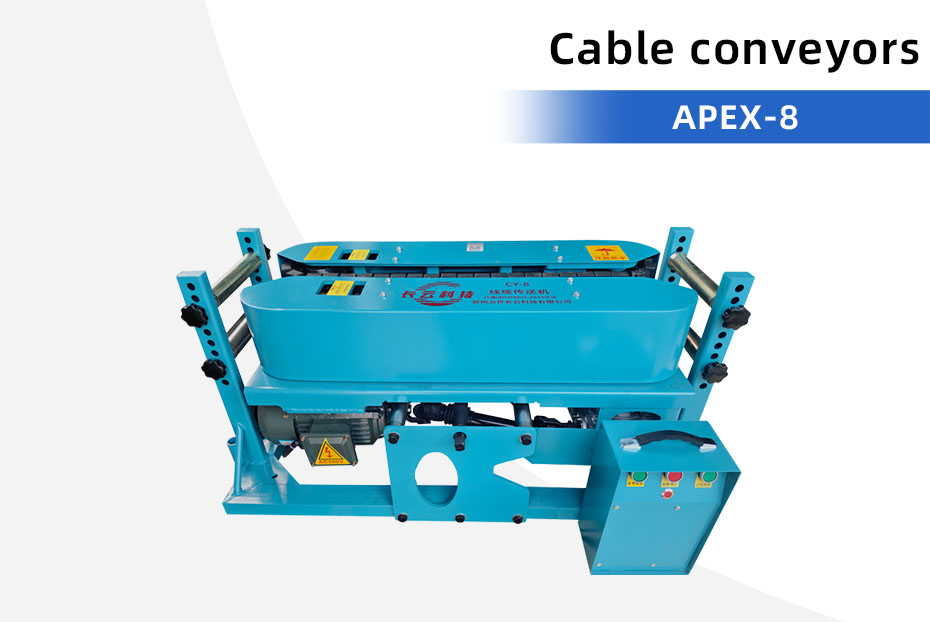
Cable conveyor pushing force is one of the first figures buyers compare. Read it together with the cable diameter range, speed and operating conditions. A higher maximum force figure alone does not establish which machine suits your cable or installation route.
For a useful quotation, give the supplier the cable datasheet and route drawing. Ask what the stated force represents, how it is controlled and which conditions apply to the quoted machine.
What do N and kN mean?
Newtons (N) and kilonewtons (kN) are units of force. One kilonewton equals 1,000 newtons, so 6,000N is 6kN and 8,000N is 8kN. Kilograms measure mass. A catalogue entry written only in kg needs clarification before it is compared with a force rating.
Keep the original rating label when comparing offers. Terms such as maximum pulling force, maximum tension and pushing force may describe different tests or operating arrangements. Ask the supplier to explain the definition rather than assuming the numbers are interchangeable.
Compare actual models on the same basis
| Model | Force entry | Other specifications to review |
|---|---|---|
| APEX-8 | Maximum tension: 6000N | Two 1500W motors; 19.2 m/min; cable diameter 2–24 cm |
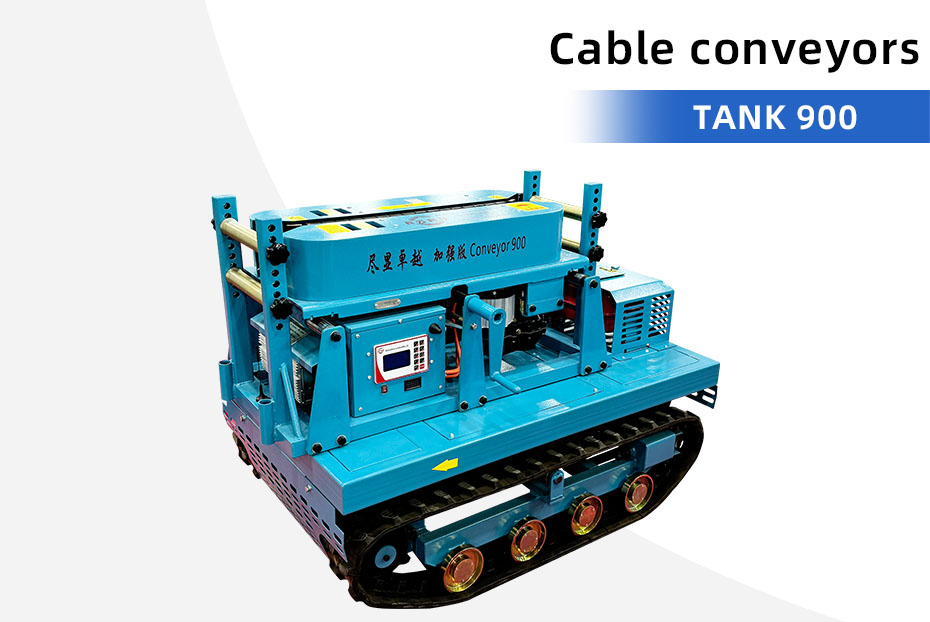
| LayPro 900 Strengthen | Maximum pulling force: 8000N | Two 1800W motors; adjustable 0–26 m/min; cable diameter 2–24 cm |
These are the entries on the respective product pages. Confirm the current delivered version and the basis of its force rating in the quotation. The figures do not demonstrate that either machine can install a specified cable over a particular distance.
Separate machine capacity from cable handling limits
The cable manufacturer’s installation limits remain part of the equipment review. Request the relevant cable data, including allowable pulling tension and bending requirements. For a route with bends, the installation engineer also needs to assess sidewall pressure. Increasing machine capacity does not remove those constraints.
Southwire’s Power Cable Manual, Chapter 7, explains these installation considerations. Use the instructions for your actual cable and the machine operating manual when preparing the installation method.
Five questions for a force-rating quotation
- Is the value a maximum or a continuous operating rating?
- Which speed, cable contact and test conditions apply?
- What adjustment and monitoring provisions are included?
- Which cable information is needed to confirm compatibility?
- What supporting equipment and controls are included in the proposed arrangement?
Does adding more cable pushers multiply the usable force?
Machine count requires a route-specific review. Cable contact, equipment position and operating coordination affect the proposed arrangement. Adding catalogue ratings together does not establish a permissible load for the cable. See the cable pusher quantity and route checklist for the information to prepare.
What should I send for model selection?
Send cable diameter, weight per metre, construction and handling limits, together with bends, slopes, support details and accessible machine positions. Include the required supply and destination. For speed selection, read our fixed versus variable speed guide.
Request a cable conveyor force and configuration review. Ask for the force definition, supplied controls and accessory list to be included with the quotation.