Cable pusher rental can suit a defined installation window. Buying deserves consideration when the same equipment will serve repeated projects. Compare the complete package and the expected period of use before choosing either option.
A low daily hire rate and a factory purchase price describe different things. Include delivery, collection, accessories and support in your comparison. Confirm machine suitability first; an unsuitable conveyor can disrupt a project under either arrangement.
When is rental worth investigating?
Ask local hire companies about availability when you have one short project, uncertain future demand or limited storage. Confirm the dates the machine can arrive, how rental time is counted and what happens if the project runs late.
Rental is an established option in this equipment category. For example, Encoso lists an electric cable pusher for hire with daily and weekly terms. Its machine and terms are specific to that supplier. Request current local availability rather than using another market’s hire rate as your project budget.
When should you request a purchase quotation?
Consider ownership when upcoming projects require a repeatable configuration and you can arrange inspection, storage and maintenance. Buying also lets you specify the ordered electrical version and accessory package with the manufacturer. Confirm the delivery schedule against your actual start date.
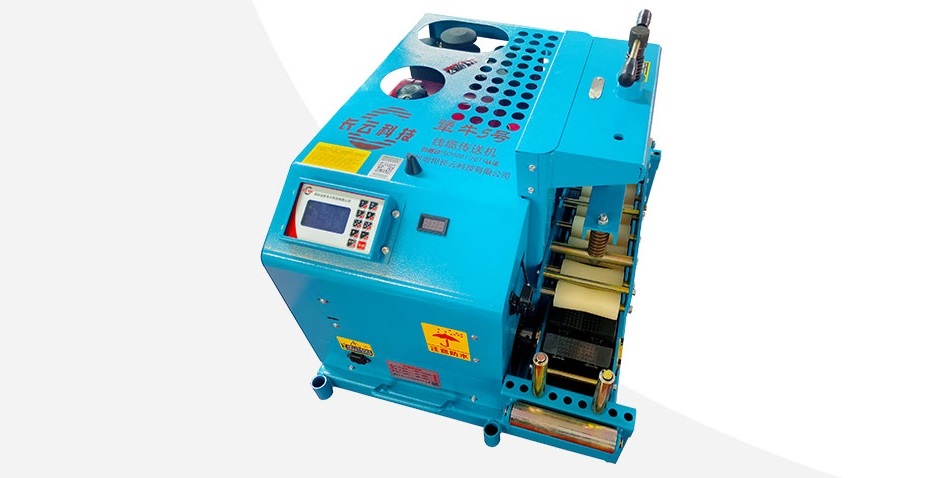
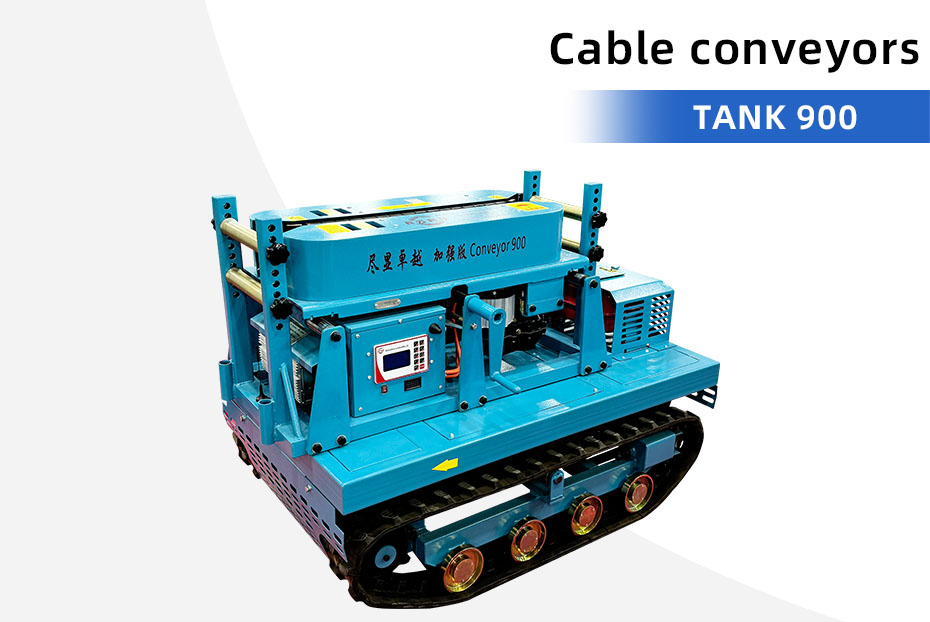
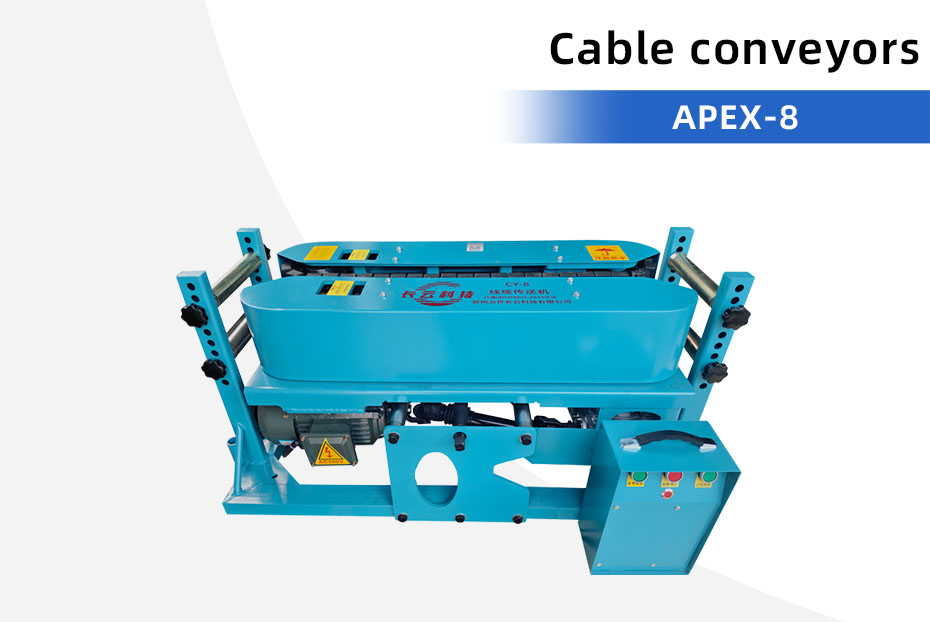
KAP’s APEX-8 cable conveyor and Oubeili 200 wheel-type tractor illustrate why model selection comes before cost comparison. Their published cable diameter ranges are 2–24 cm and 10–100 mm respectively. They are not interchangeable simply because both feed cable. Use the cable datasheet and route conditions to identify a suitable configuration.
Build a like-for-like cost comparison
| Cost or obligation | Rental enquiry | Purchase enquiry |
|---|---|---|
| Machine package | Which model and controls are reserved? | Which exact model and electrical version are quoted? |
| Transport | Delivery and return collection charges | Packing, freight and applicable import charges |
| Accessories | Included rollers, leads and controllers; replacement charges | Included items, options and spare-part availability |
| Time | Chargeable days, off-hire procedure and extension terms | Manufacturing and dispatch schedule; future project use |
| Care and service | Inspection, cleaning, damage and breakdown responsibilities | Maintenance, storage, training and service arrangements |
Keep a refundable deposit separate from the rental expense total. Record it as money committed during the hire period, with the refund conditions beside it. Likewise, treat any expected resale value as an estimate rather than a guaranteed credit.
Use your own project schedule
For rental, total the quoted hire charge, delivery and collection, extras and applicable non-refundable fees. For ownership, total the delivered purchase cost, accessories and estimated care costs over the same comparison period. Include financing or local charges only when they apply to your business.
Then test a delayed-project scenario and a repeat-project scenario. There is no universal number of hire days after which buying becomes cheaper. Daily and weekly pricing, transport and future use can change the answer.
Prepare one equipment brief for both enquiries
Send cable diameter, jacket type, weight per metre, route layout, available power and required dates. Identify the number of machines and required controls. Ask each supplier to state exclusions so the quotations cover comparable work.
For equipment purchase, request a KAP cable conveyor quotation with your project brief. Review the quotation checklist for the items to agree before ordering. Contact your chosen local rental provider separately for hire availability and contract terms.