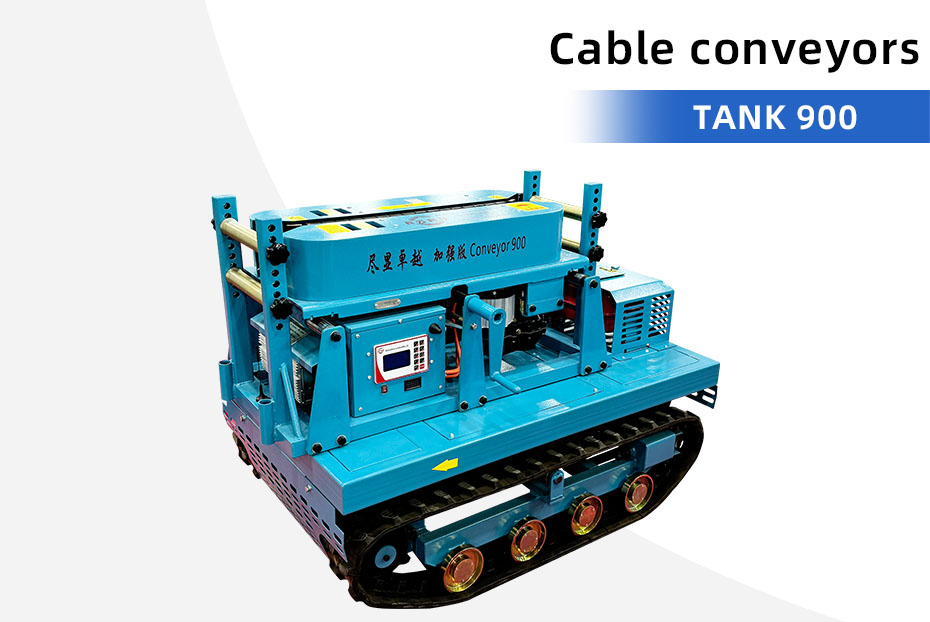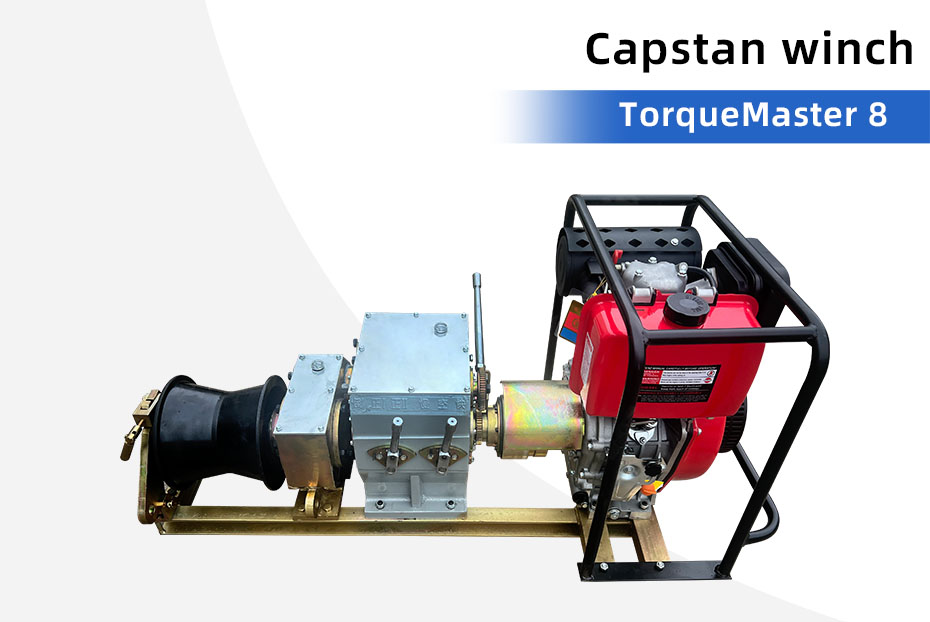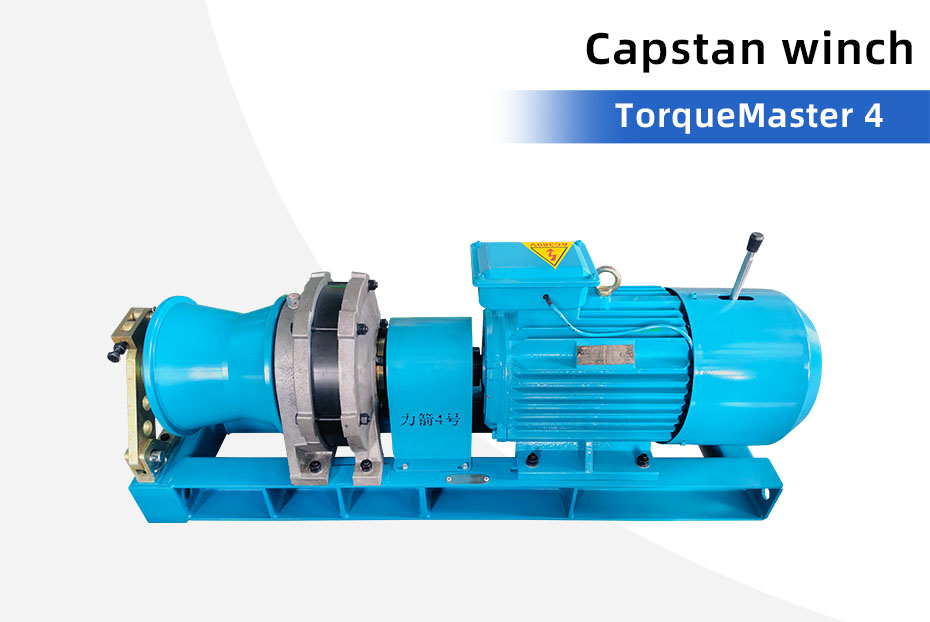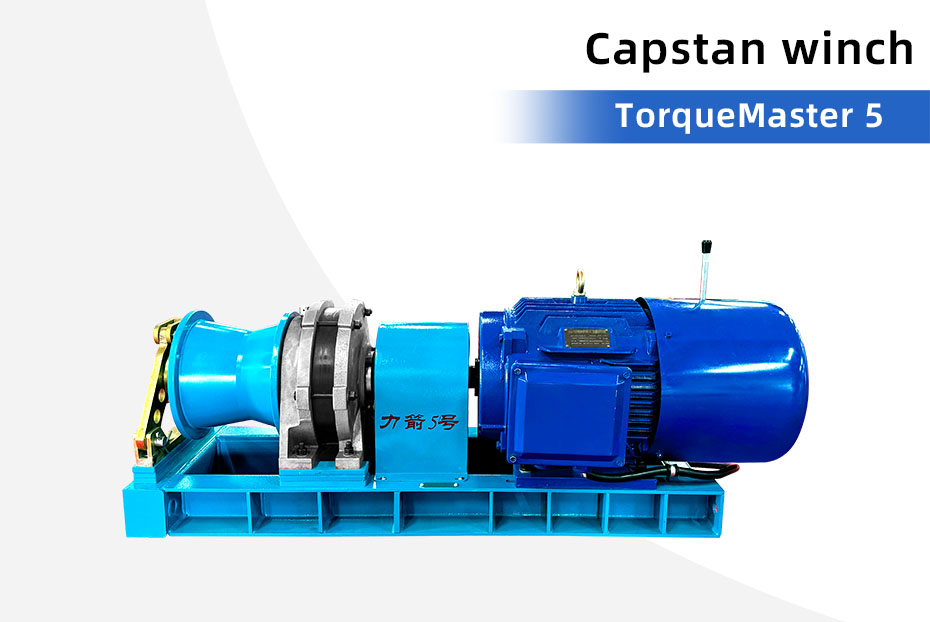
A cable conveyor pre-shipment inspection should compare the supplied machine with the accepted order. Prepare the checklist before the inspection date so both sides know what evidence is required and which differences need approval.
Keep the purchase order, configuration schedule and agreed drawings together. Assign a reference to each machine when several units are being shipped. This helps you connect photographs, demonstration records, accessories and packing details to the correct equipment.
What is the difference between inspection and a performance test?
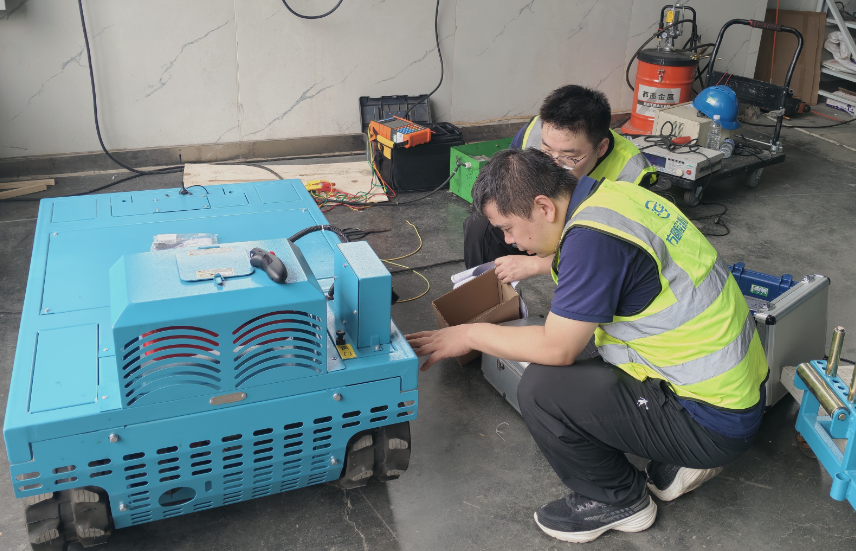
A visual check can identify a model label, finish or missing accessory. It cannot establish rated performance under load. If a factory demonstration or performance test is part of the purchase, agree the method, conditions, acceptance criteria and record format with the supplier in advance.
Independent inspection provider SGS describes pre-shipment inspection as checking goods against contractual requirements, including quantities, markings, documents and packing. The checklist below is a purchasing aid for cable conveyors, not a claim that every machine has undergone third-party inspection.
A cable conveyor dispatch checklist
| Check | Evidence to request | Compare with |
|---|---|---|
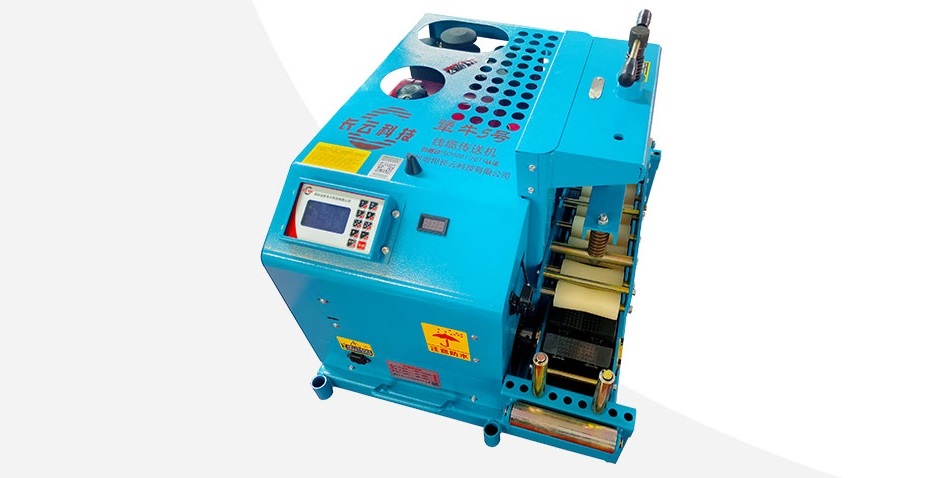
| Machine identity | Whole-machine photographs and readable model or production identification | Accepted model and quantity |
| Electrical version | Rating-plate photograph and supplied electrical specification | Ordered voltage, phase and frequency |
| Controls | Controller identification and the agreed function-demonstration record | Controller and operating scope in the order |
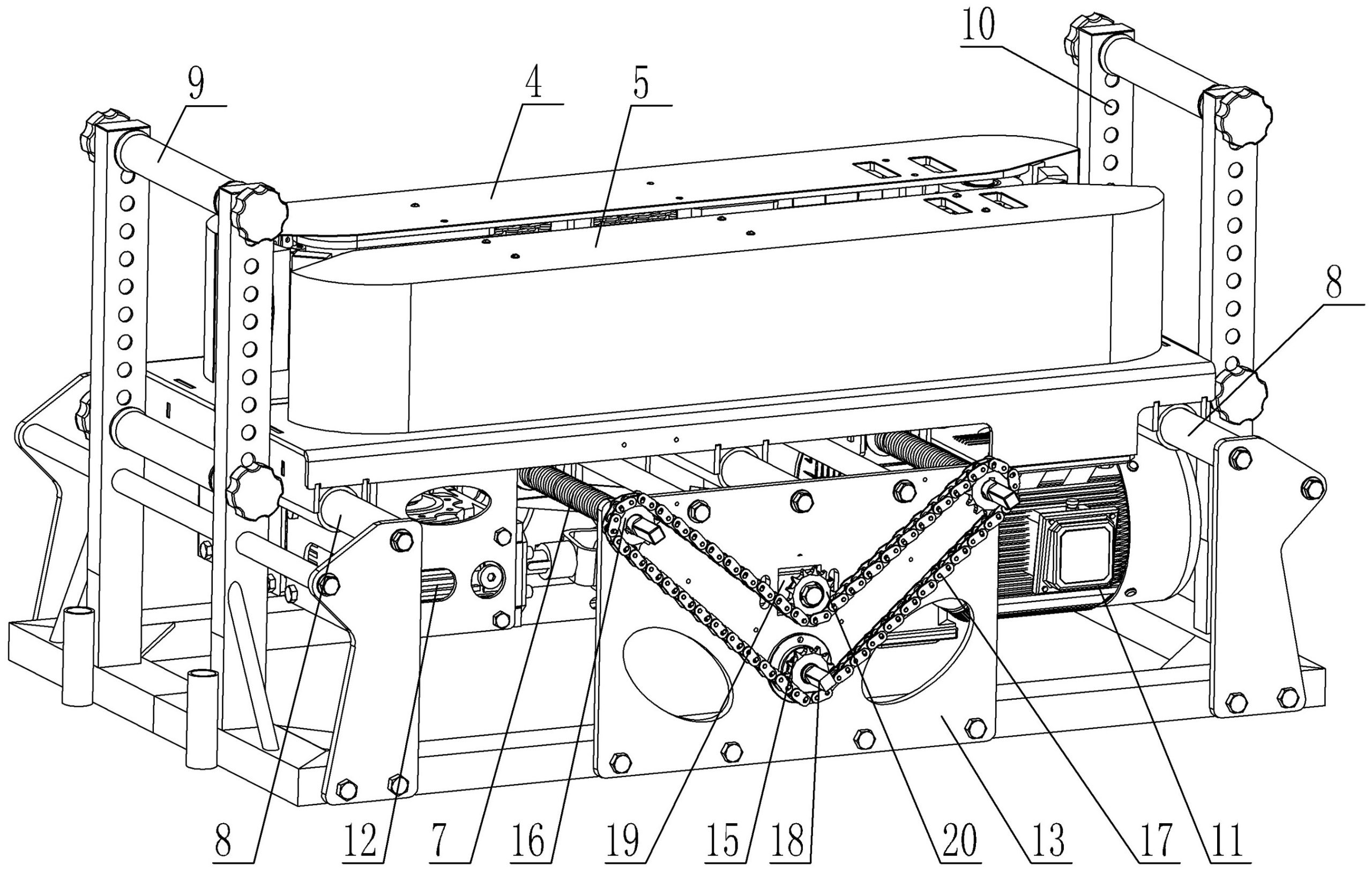
| Cable-contact arrangement | Images of the supplied wheel, track or roller arrangement | Approved machine configuration and any agreed contact components |
| Accessories and spares | Itemized list with quantities and part references | Accepted accessory and spare-parts schedule |
| Documents | Operating instructions, parts information and agreed inspection records | Required document list and language |
| Packing | Packing-list reference, packed-item photos, package count, dimensions and weights | Agreed packing and shipment requirements |
Check the exact model rather than a similar catalogue photo
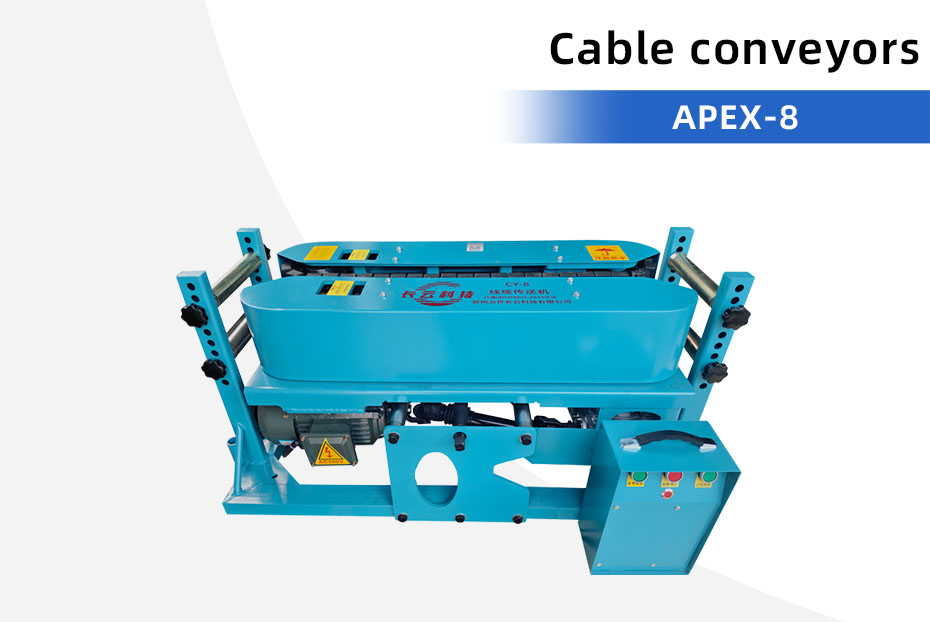
The Oubeili 200 lists 750W power, 380V voltage and a low-height wheel-type configuration. The APEX-8 lists two 1500W motors and a different machine envelope. Neither model’s photograph or rating plate should stand in for the other when you review dispatch evidence.
If you ordered a customized supply or controller, include that configuration in the accepted documents. The 220V/380V supply checklist explains which electrical details to resolve before ordering.
Can a short running video prove the maximum force?
Ask what the video demonstrates and which machine is shown. An unloaded run may support a function check, but it does not by itself prove the maximum force rating. Where force verification is required, agree a suitable test and traceable results with competent personnel. Do not improvise a loaded demonstration from a marketing checklist.
How should inspection differences be recorded?
List the order requirement, observed difference, supporting photograph or record, and proposed correction. Identify who will approve the outcome and how reinspection will be documented. Keep unresolved items distinct from accepted items so a dispatch decision is clear.
What information should accompany the enquiry?
Tell the supplier your inspection scope, destination, document language and any witness or third-party requirements before agreeing the order. Request the latest configuration and parts schedule. Our spare-parts ordering checklist helps you identify components that should appear in that schedule.
Discuss your cable conveyor configuration and dispatch checklist with the model, quantity and project requirements. Inspection services, test scope and documentation must be agreed for the specific order.