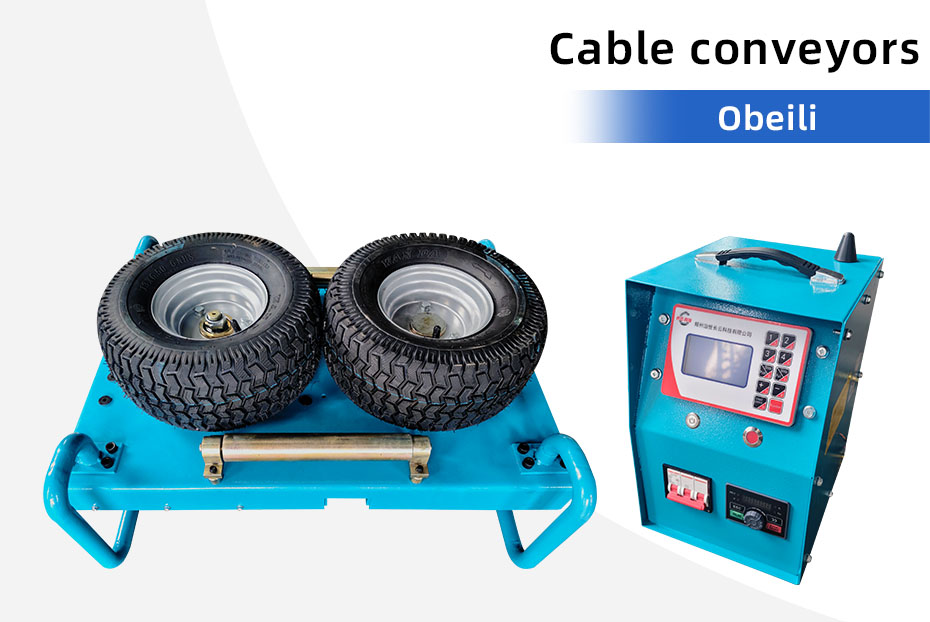
Wheel-type and track-type cable pushers use different cable-contact arrangements. Choose between actual machine configurations, using the cable datasheet and a measured installation layout. The drive label alone cannot establish which machine fits your route.
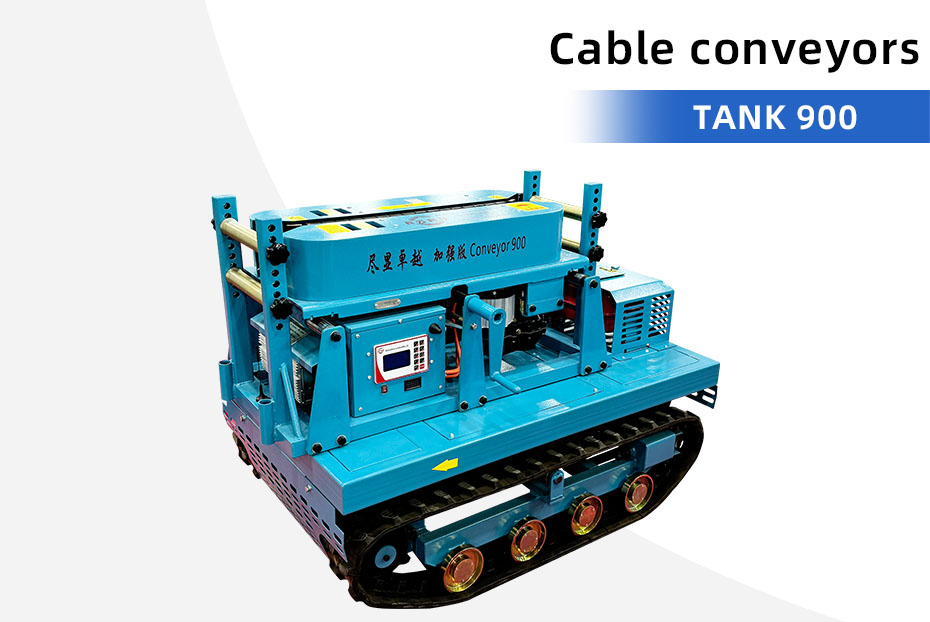
Start by asking which part of the equipment contacts the cable. In cable-installation equipment, “crawler” can describe the feeding tracks or a machine’s travelling chassis. Those are different functions. A track-type cable conveyor does not necessarily travel along the ground.
What is the difference in cable contact?
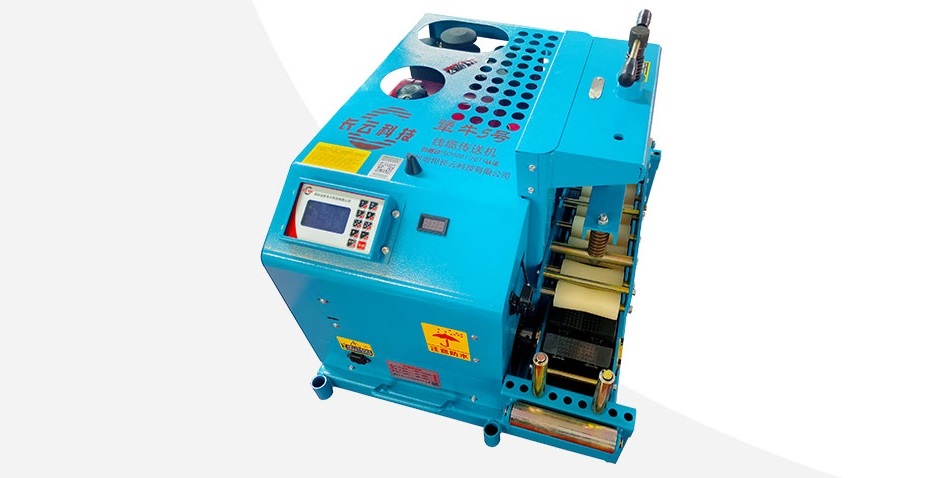
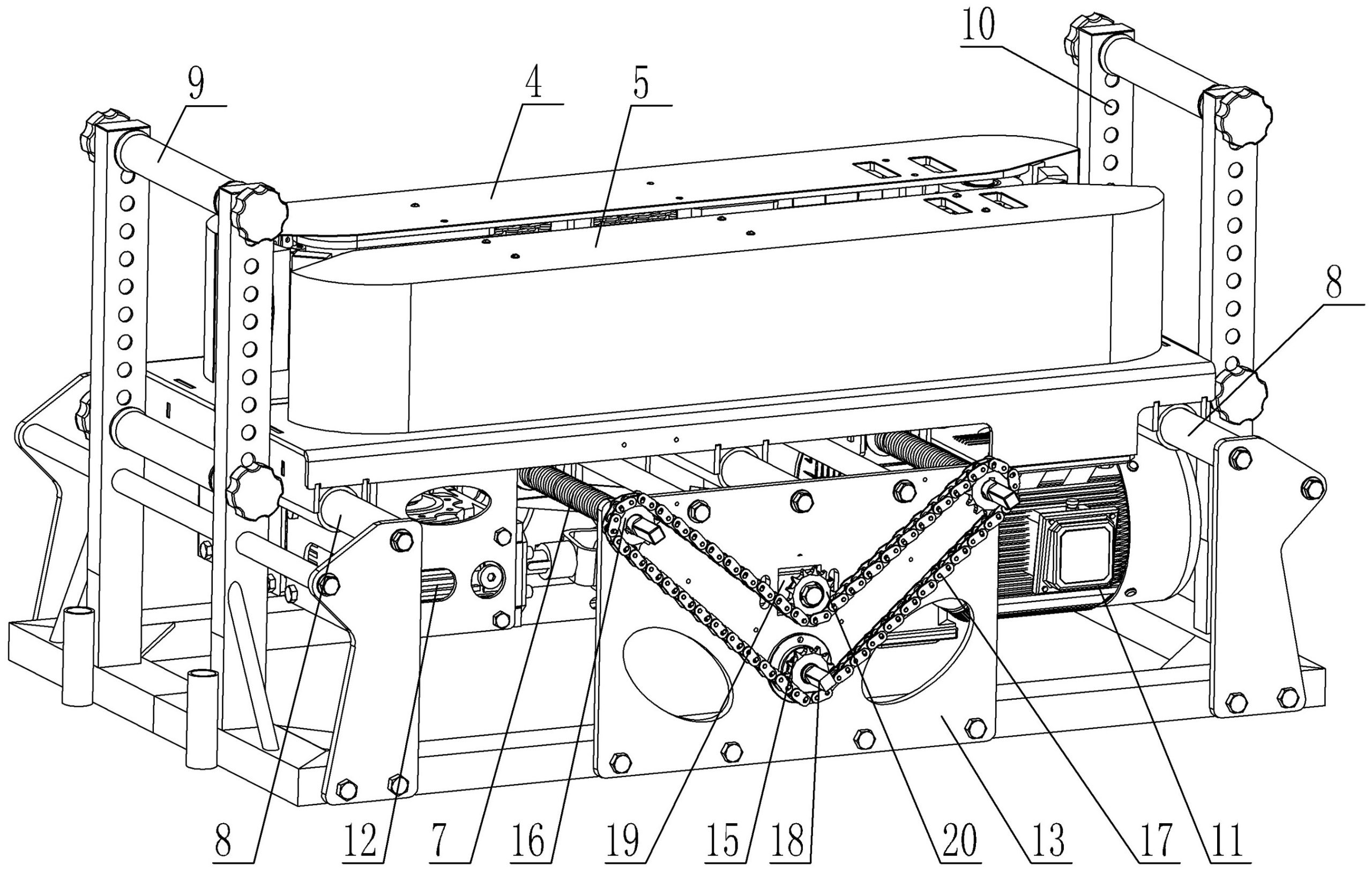
A wheel-type unit feeds the cable through its wheel arrangement. A track-type unit uses moving belts or tracks. Designs differ in adjustment, cable support and controls, so request a drawing or demonstration of the exact model.
Manufacturer examples show why the mechanism matters: TT Technologies describes conical-wheel cable pushers, while GMP describes a profiled-belt pusher with upper rollers. These are separate manufacturers’ designs; their configurations and ratings do not apply to Keep APEX Power machines.
Compare two real cable pusher configurations
| Specification | Oubeili 200 wheel-type pusher | APEX-8 track-type conveyor |
|---|---|---|
| Motor power | 750W | Two 1500W motors |
| Cable diameter range | 10–100 mm | 2–24 cm, equivalent to 20–240 mm |
| Conveying speed entry | 0–14.5 m/min, stepless adjustment | 19.2 m/min; confirm the supplied control configuration |
| Listed dimensions | 76 × 46 × 20 cm | 115.4 × 58 × 53 cm |
| Listed weight | 60 kg | 243 kg |
These differences belong to these two models. They are not universal advantages of all wheel or track machines. The Oubeili 200’s low body height may make it a candidate where clearance is restricted, but its controls, cable path and service space also need to fit.
Use cable information to review contact compatibility
Send outside diameter, weight per metre, jacket material, construction and the cable manufacturer’s handling limits. Ask the equipment supplier to confirm the contact components and adjustment arrangement. A cable falling within the diameter range still needs a compatibility review.
For this step, use the cable diameter and jacket checklist. Avoid selecting by conductor cross-sectional area alone when the machine specification is expressed as outside diameter.
Compare the whole working envelope
Mark the machine body, cable entry and exit path, controller location and operator access on the site sketch. Identify how the unit will be brought into position and supported. For either design, an accessible adjustment point is as important as enough space for the machine body.
See the low-clearance cable pusher checklist for the measurements to collect. A low machine height does not establish hazardous-area or confined-space approval.
What should the quotation confirm?
- The exact model and cable-contact arrangement.
- Electrical supply, controller and included accessories.
- Approved operating and adjustment instructions.
- Replacement contact-component identification and parts support.
- Any project assumptions still awaiting confirmation.
Request a wheel-type or track-type cable pusher comparison with your cable datasheet, layout, access measurements and destination. Ask for a recommendation tied to those details rather than the drive type alone.