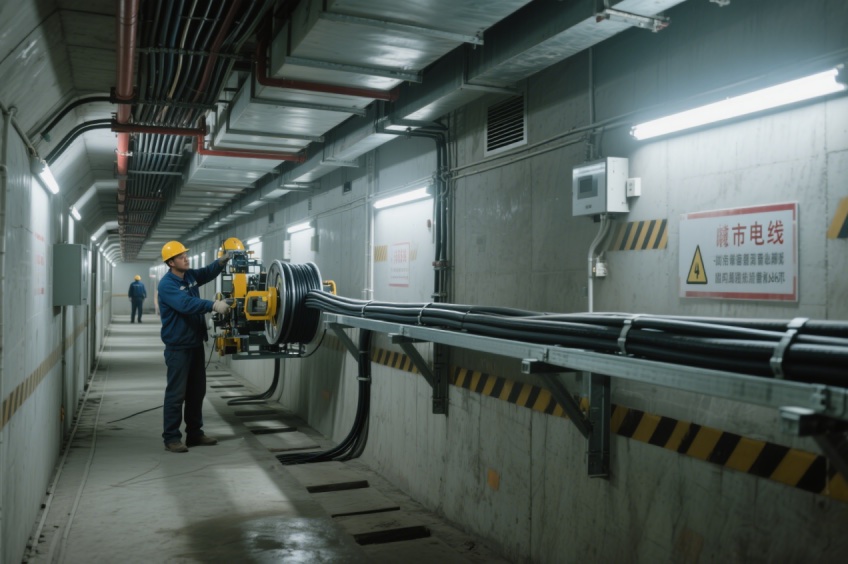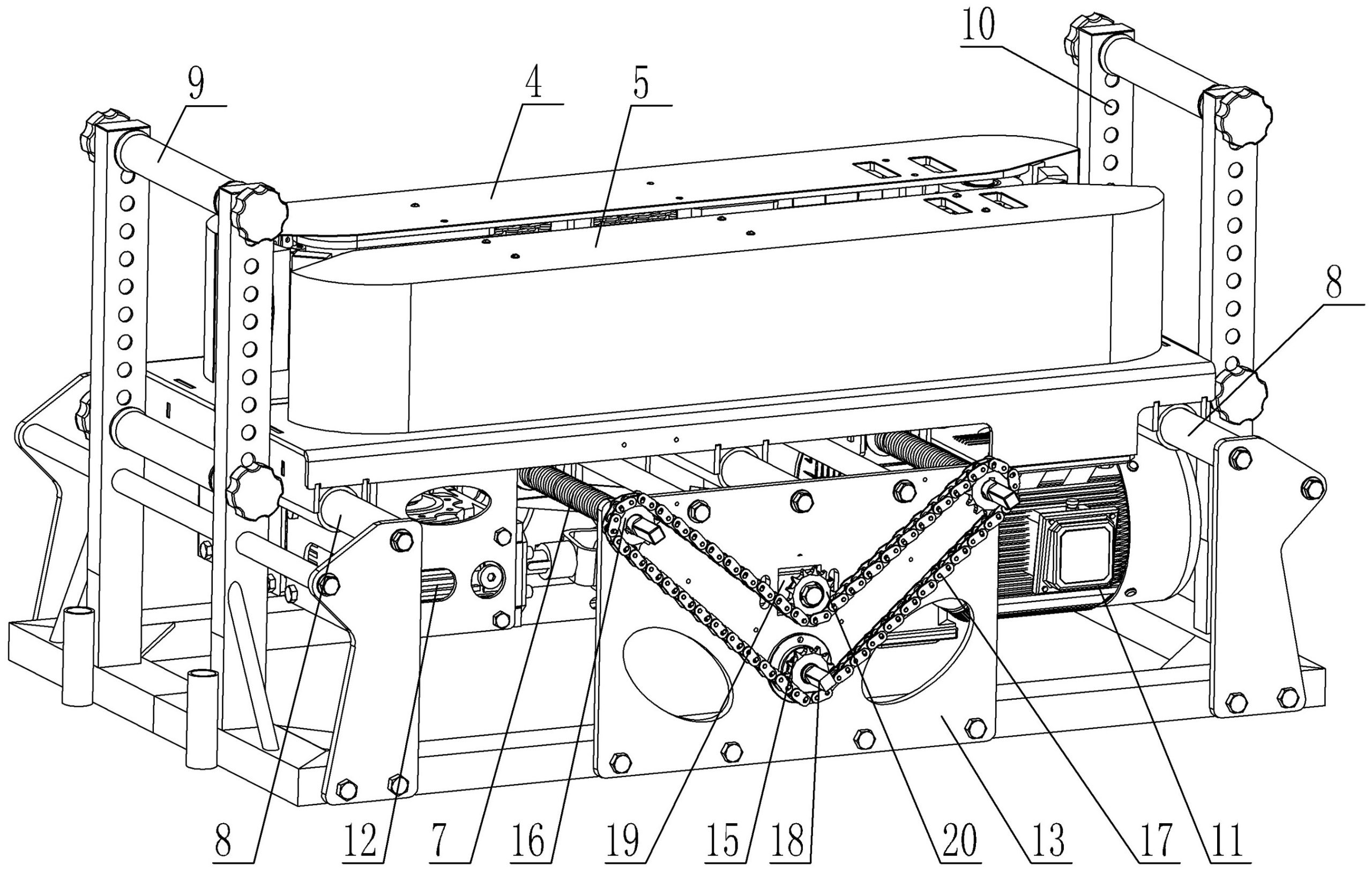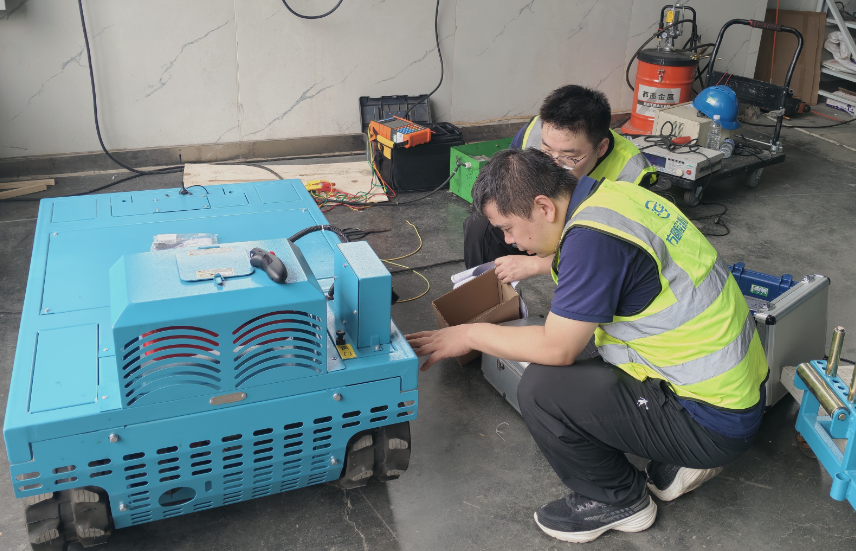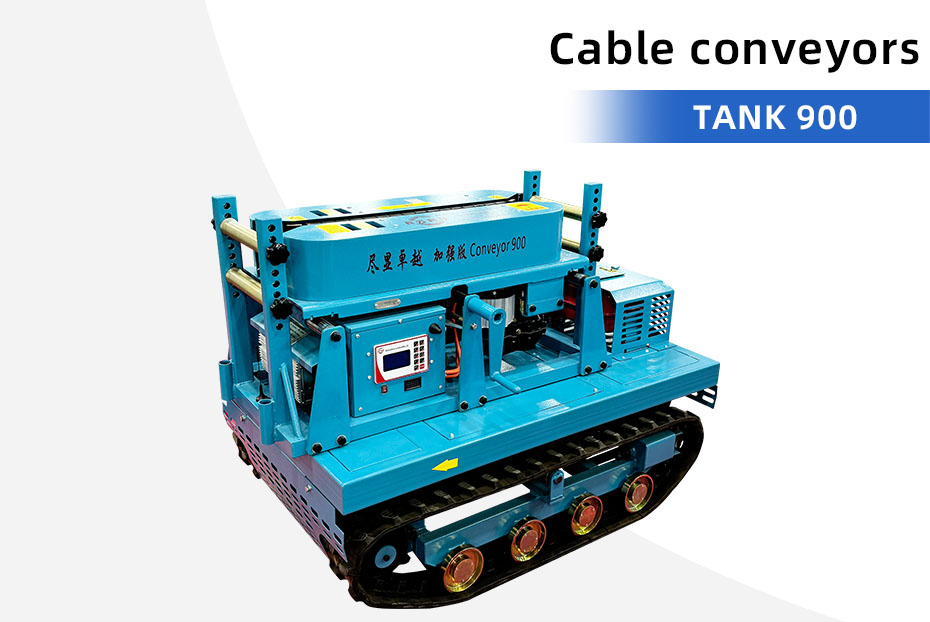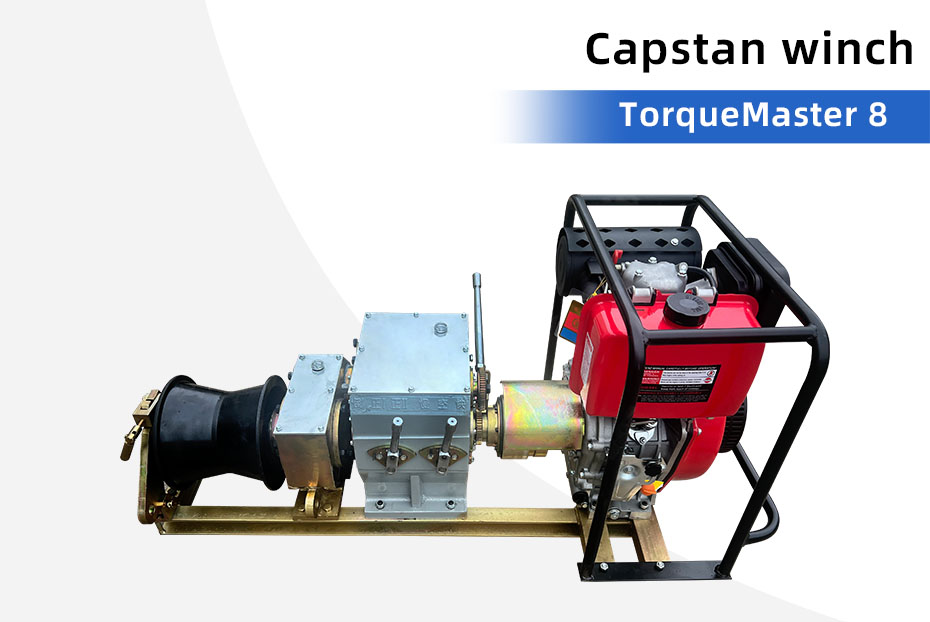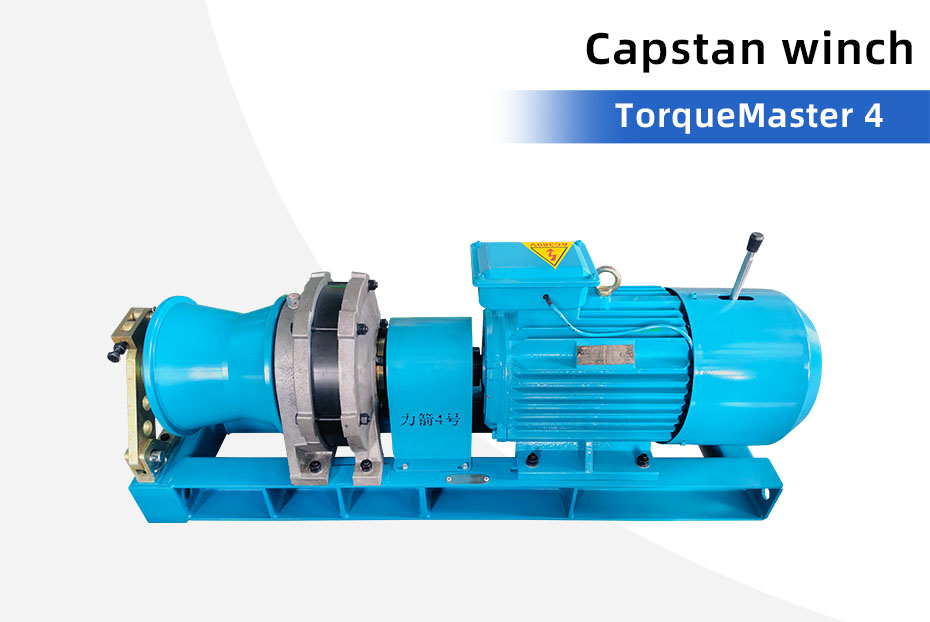
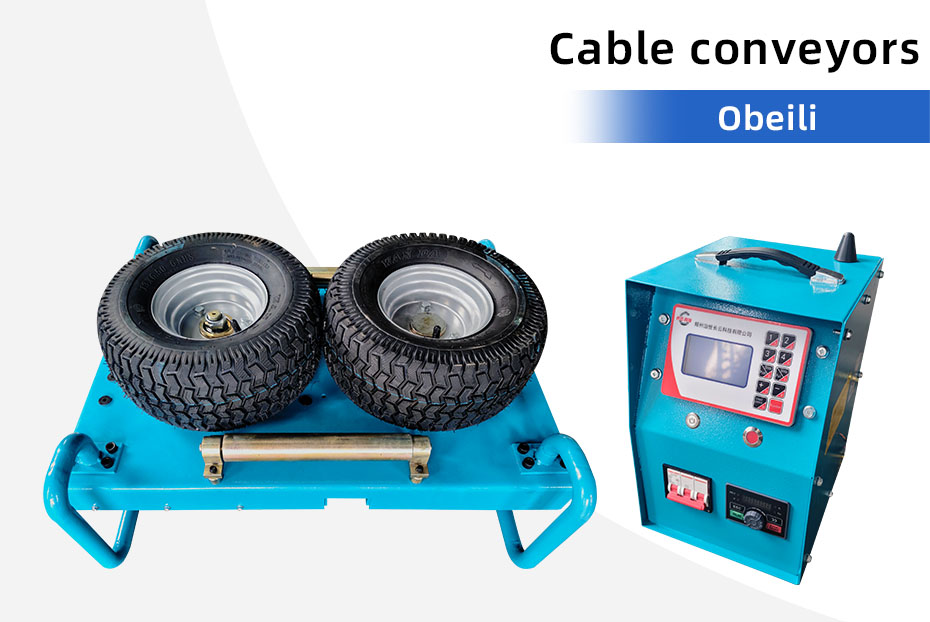
A cable pusher for a low-clearance route must fit through the access opening and leave enough room for cable entry, operation and maintenance. Compare the full working arrangement with the available space. Machine height alone does not establish whether the equipment is suitable.
This guide covers equipment selection for narrow cable installation areas. The phrase “confined spaces” is often used in product searches to mean restricted room. It does not establish that a machine is approved for entry into a legally defined confined space or hazardous area. Those conditions require the responsible site’s assessment.
Measure three spaces before requesting a quotation
1. The route used to bring the machine in
Record the narrowest doorway, hatch or opening and any turns along the handling route. Include steps, lifting access and changes in floor level. A machine that fits at its final position may still be difficult to deliver there.
2. The space occupied during operation
Allow for the machine body, connections, controls and the cable’s approach and exit. Ask which parts move or need adjustment. Confirm the intended orientation rather than assuming a unit can work on its side or at an angle.
3. The space needed for service and removal
Check access to the control panel, adjustment points and wear parts. Plan how the unit will be removed after the cable is installed. Do not use the catalogue envelope as a minimum operator clearance.
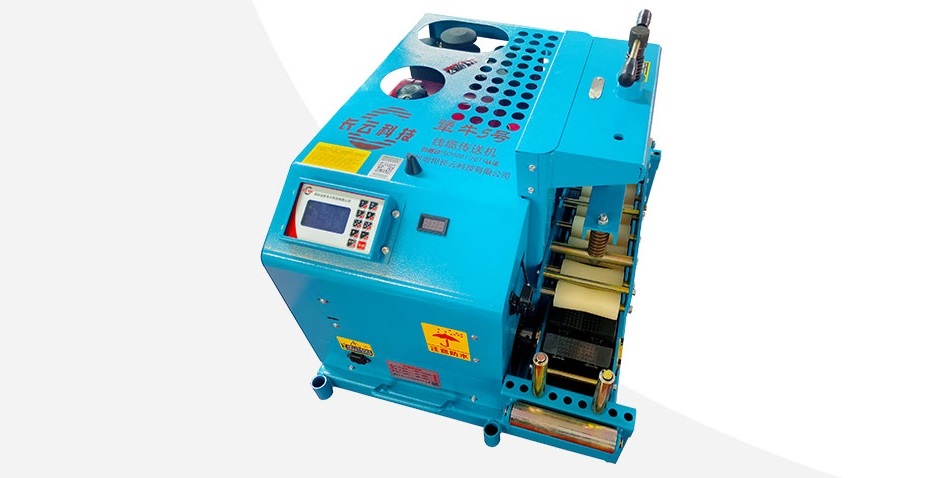
A low-profile product example: Oubeili 200
The Oubeili 200 wheel-type cable pusher has published dimensions of 76 × 46 × 20 cm and a listed weight of 60 kg. Its stated cable diameter range is 10–100 mm. These figures provide a starting point for a space and cable compatibility enquiry.
The 20 cm catalogue height describes the machine, not the complete installation envelope. Send the available height above the proposed support surface and a drawing of the cable path. Confirm the delivered dimensions and control arrangement before ordering.
Use a site-measurement checklist
| Measurement | What to record | Question for the supplier |
|---|---|---|
| Access opening | Clear width and height, plus obstructions | Can the supplied unit pass through in its approved handling arrangement? |
| Working location | Usable length, width and height | What space is needed for controls, adjustment and connections? |
| Cable entry and exit | Centreline heights and nearby bends | Which guides or supports are needed to keep the cable aligned? |
| Support surface | Proposed mounting location and available load information | How will the machine be supported or restrained? |
| Power connection | Supply location and cable route | Does the electrical arrangement suit the exact delivered unit? |
Check cable bends as well as machine fit
A short housing does not make a sharp cable turn acceptable. The cable’s installation bending radius, handling loads and guidance arrangement still govern the route. The Southwire Power Cable Installation Guide discusses bending and installation loads; use current limits for the specific cable being installed.
If the machine and the cable require different entry heights, ask for an assessed guide arrangement. Do not resolve a clearance problem by forcing the cable around an unsupported edge.
Is a compact conveyor suitable for a multi-layer tray?
Tray spacing, support capacity and the proposed mounting arrangement need separate review. The Gecko multi-layer cable tray conveyor is another model to discuss for tray work. Its intended arrangements differ from a wheel-type unit, so compare actual installation requirements.
Use our cable diameter and jacket compatibility guide to check the cable itself. For the wider equipment checklist, read how to choose a cable conveyor.
Frequently asked questions
How much clearance is required above the machine?
There is no universal allowance. Request the working envelope for the delivered configuration, including cable entry, adjustments and service access.
Can a small cable pusher be used in every tunnel?
Size is only one condition. Confirm the environment, supply, mounting and site operating requirements. Compact dimensions do not establish hazardous-area or confined-space approval.
Does a lighter machine need less restraint?
Restraint depends on the equipment instructions and the forces in the installation. Do not select the arrangement from machine weight alone.
Send dimensions and photos for a configuration review
Provide the cable datasheet, access-opening measurements, working-space dimensions and route sketch. Mark entry and exit positions and the available power supply. Review our equipment selection and service checklist for other useful project details.
Request a compact cable pusher configuration and quotation, or compare the cable conveyor range. A measured site sketch helps identify unsuitable configurations before equipment is shipped.