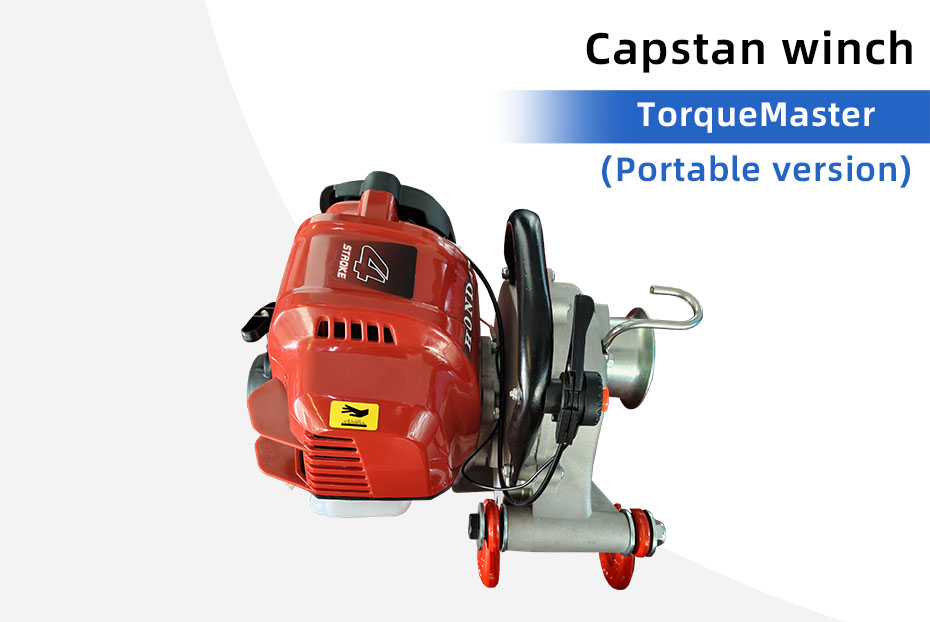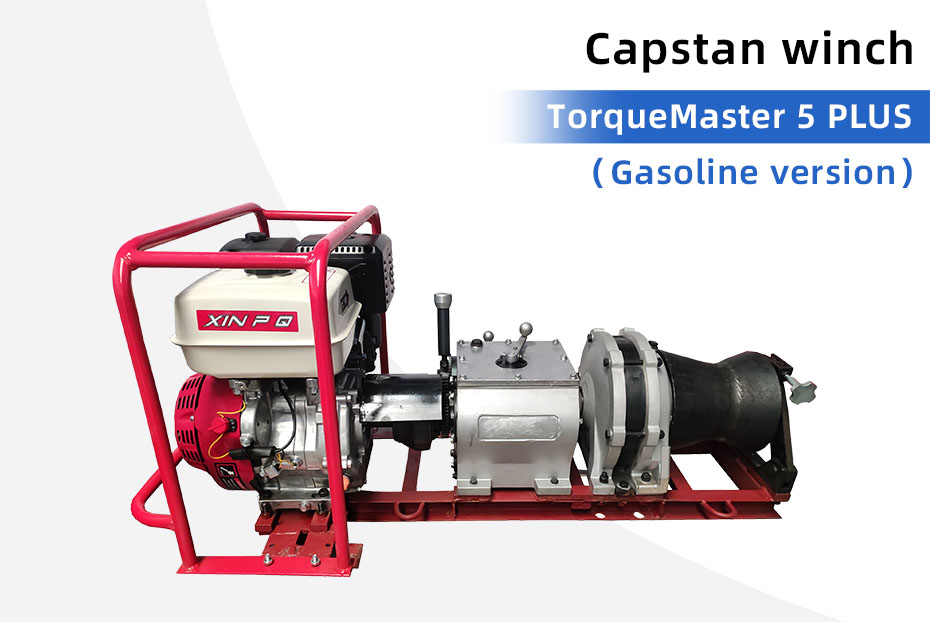
For a 66 kV or 132 kV cable project, request a cable conveyor recommendation against the actual cable datasheet and installation drawing. The voltage class identifies the project context. It does not establish the outside diameter, allowable load or machine quantity. Procurement should retain the engineering inputs behind every proposed configuration.
This guide focuses on the documents and supplier questions needed for medium- and high-voltage underground cable procurement. It complements our general cable conveyor selection guide. Equipment selection remains subject to the cable manufacturer’s limits, the machine instructions and the approved project installation method.

1. Assemble the cable data and project documents
Begin with the exact cable designation and datasheet revision. Include conductor material and cross-section, cable construction, outside diameter, mass per metre and sheath material. Obtain the applicable installation bend radius, permissible pulling tension and sidewall-pressure limits from the cable manufacturer. Do not infer those limits from the operating voltage.
The enquiry should also identify the pulling attachment and installation method under review. A drawing of the finished circuit may omit the temporary drum position, equipment access and pulling direction. Attach an installation layout that shows these items. Keep the cable specification separate from the conveyor’s capability sheet so a machine rating cannot be mistaken for a cable limit.
2. Review the route and cable handling limits
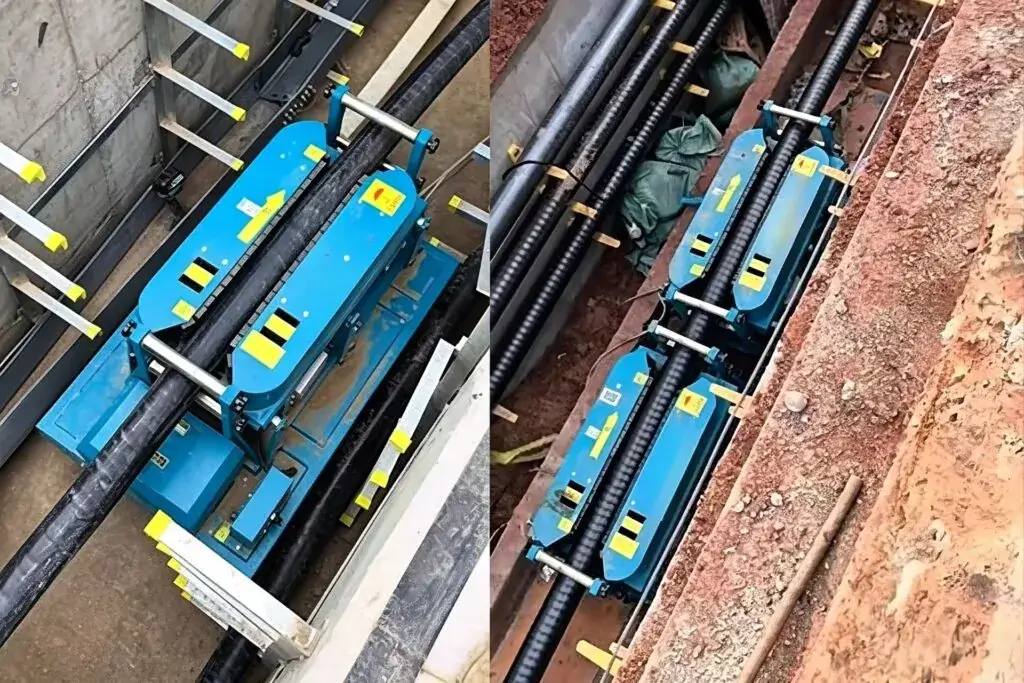
Mark straight sections, bends, gradients, entry points and access openings on the route plan and profile. Identify proposed machine positions and the support arrangement at each position. The project review must account for the cable path between machines as well as its contact with each conveyor.
Southwire’s installation guidance treats pulling tension, bending and sidewall pressure as related installation checks. Sidewall pressure acts where a tensioned cable passes around a bend. The applicable cable construction and installation arrangement matter. Use a project-specific engineering review and the cable manufacturer’s limits rather than copying a generic value from another cable type.
Ask the reviewer to state the drawing revision and assumptions used. If a bend, access opening or pulling direction changes, flag it for review before using the previous equipment arrangement. Keep proposed changes in a revision log so the supplier and installation team work from the same route.
For the machine count, use the route-planning checklist. There is no universal number of conveyors per kilometre. Confirm the quantity and locations through the project method review.
3. Compare the offered machine against the project
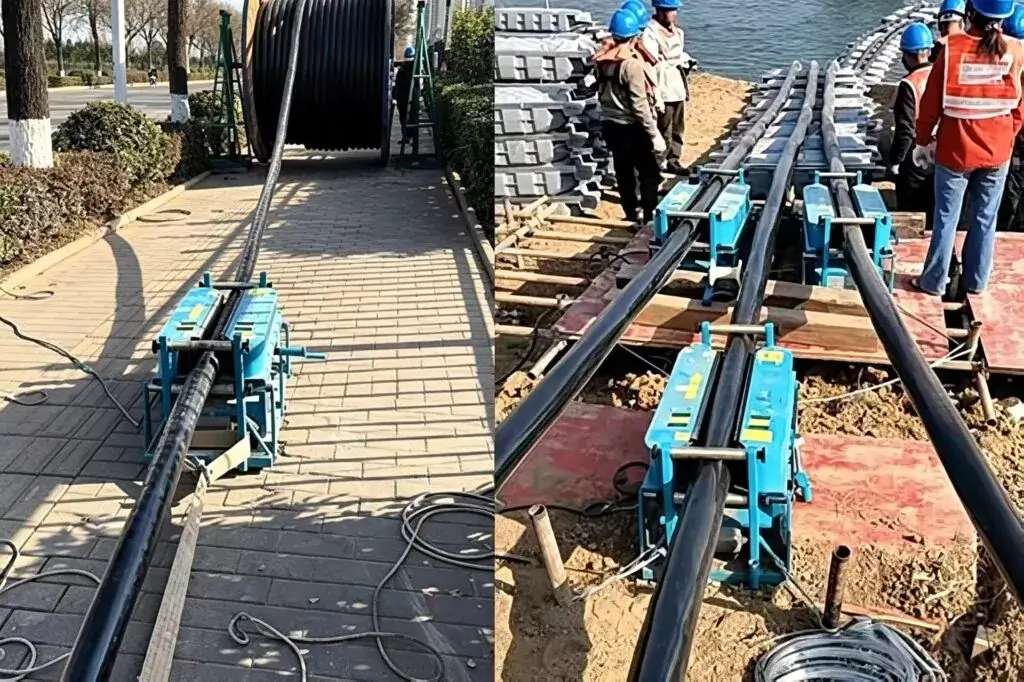
Ask each supplier to identify the exact model and configuration against the same cable and route documents. A statement such as “suitable for 132 kV cable” needs supporting information. Request the working diameter range, contact arrangement, force-rating definition, speed configuration and equipment dimensions.
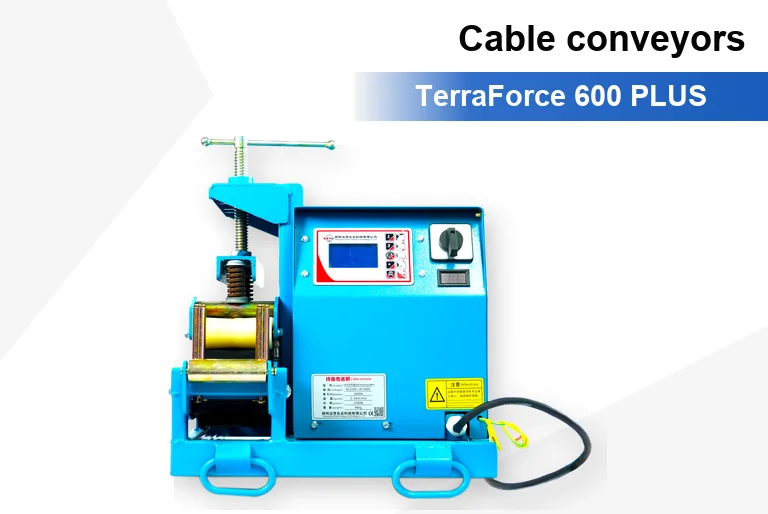
The published APEX-8 specification provides a concrete example: it lists two 1500 W motors, a 2–24 cm cable diameter range, a speed of 19.2 m/min and a 243 kg net weight. These catalogue values help define questions for a supplier. They do not approve APEX-8 for every cable within that diameter range or for every 66 kV or 132 kV route.
| Published item | APEX-8 example | Project question |
|---|---|---|
| Cable diameter | 2–24 cm | Does the offered contact system suit the actual cable and sheath? |
| Conveying speed | 19.2 m/min | Does the supplied speed configuration fit the installation method? |
| Net weight | 243 kg | Can the access and support arrangement accommodate the machine? |
| Motor power | 1500 W × 2 | What supply, controller and starting requirements apply to the delivered version? |
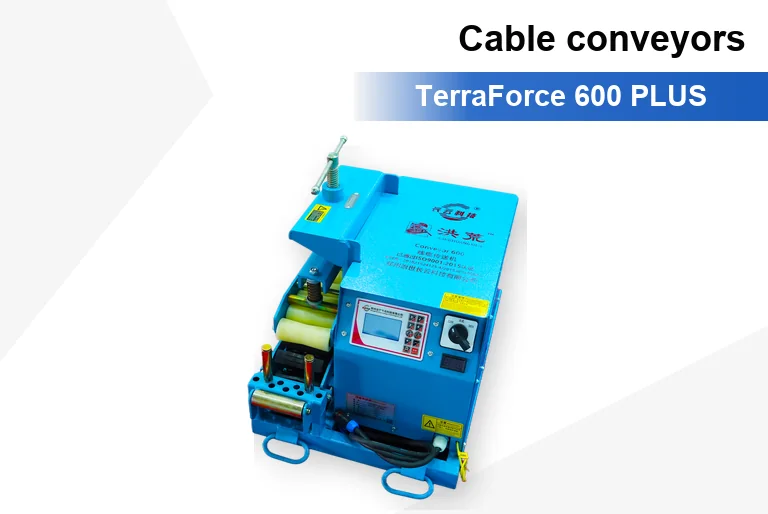
For a different working envelope, compare the 900 Mini against the same inputs. Confirm its offered configuration separately. A smaller housing does not establish sufficient force, suitable duty or approval for the project’s cable.
4. Confirm site power and the control arrangement
Record the available supply at each proposed machine position, including voltage, phase, frequency and available capacity. Ask the equipment supplier to confirm compatibility for the complete supplied machine and controller. If a generator is proposed, include its details in that review.
For several conveyors, obtain a control diagram showing how the units are commanded and stopped. Separate an individual wireless remote from a coordinated multi-machine system. Specify who reviews the control arrangement and how its agreed functions will be checked before installation. Do not assume that matching handset appearances establish compatible controls.
Useful related guides cover 220 V and 380 V supply questions and multi-machine remote-control scope.
5. Send a reviewable 66 kV or 132 kV enquiry
Use the following procurement checklist to make the proposal traceable. It is an enquiry template, not a completed engineering design.
- Project voltage class, installation location and intended working method.
- Cable designation, datasheet revision and manufacturer’s handling limits.
- Route plan and profile, bend details, access openings and proposed pulling direction.
- Machine-position access dimensions and the proposed support arrangement.
- Available power and requested control scope, including the multi-machine stop arrangement where applicable.
- Requested quantity, accessories, destination and delivery requirements.
- Responsible project reviewer and the documents required before equipment release.
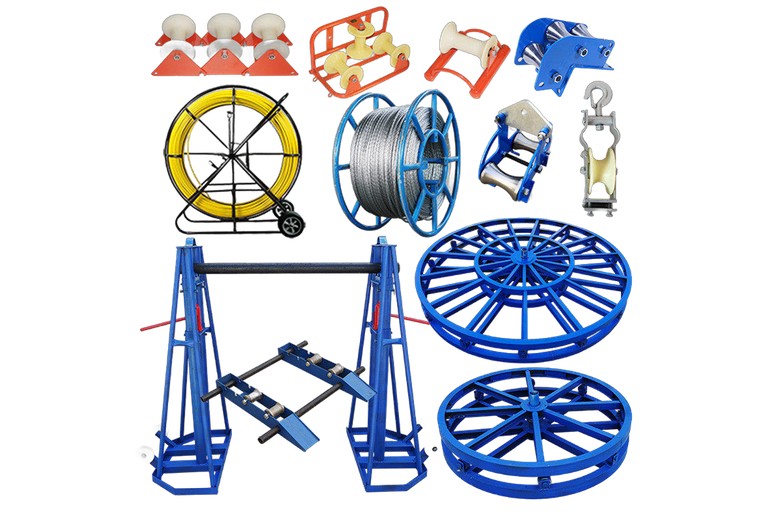
Ask the quotation to distinguish the main machine, controllers, interconnecting leads, guides, drum handling equipment and spare parts. Keep exclusions visible. Our quotation comparison guide can help structure that review without inventing a fixed project price.
6. Project selection FAQ
Does a 132 kV cable always need a larger conveyor?
No. Compare the actual cable construction, outside diameter, mass and handling limits with the installation requirements. Voltage class alone does not determine conveyor size.
Does a diameter range prove that a machine is suitable?
No. The offered contact arrangement, force, controls, duty and route conditions also require review. Keep the cable manufacturer’s limits with the selection documents.
Can the equipment supplier confirm the machine quantity?
Ask for a proposal tied to your drawings and cable data. The project installation reviewer must check its assumptions and suitability before the arrangement is used.
What should be checked before delivery?
Match the model, power configuration, control scope and accessories against the accepted quotation. Retain the manuals and identification records. Use the pre-shipment inspection checklist to organize the evidence.
Send a cable datasheet and route drawing for a conveyor proposal. You can also compare the cable conveyor range.
Technical background: Southwire Substation Cable Installation Guide. This background source does not establish the limits of a specific 66 kV or 132 kV cable; obtain those from its manufacturer.